BHUTAN
Travelog
26
Jan, 2026

A 15-Day Expedition from East to West
An East-to-West expedition across Bhutan offers a rare opportunity to enter the kingdom through its "back door" and witness the landscape transform from rugged, remote highlands into the iconic valleys of the west. Starting at the southeastern border town of Samdrup Jongkhar and concluding in Paro, this 15-day journey is a deep dive into the country's spiritual and artisanal heartlands.
The Journey: East to West Overview
Entering via Samdrup Jongkhar allows for a slow, immersive ascent into the Himalayas, following ancient trade routes that once connected Bhutan to the silk and spice roads of India and Tibet.
Phase 1: The Remote Eastern Frontier
Samdrup Jongkhar
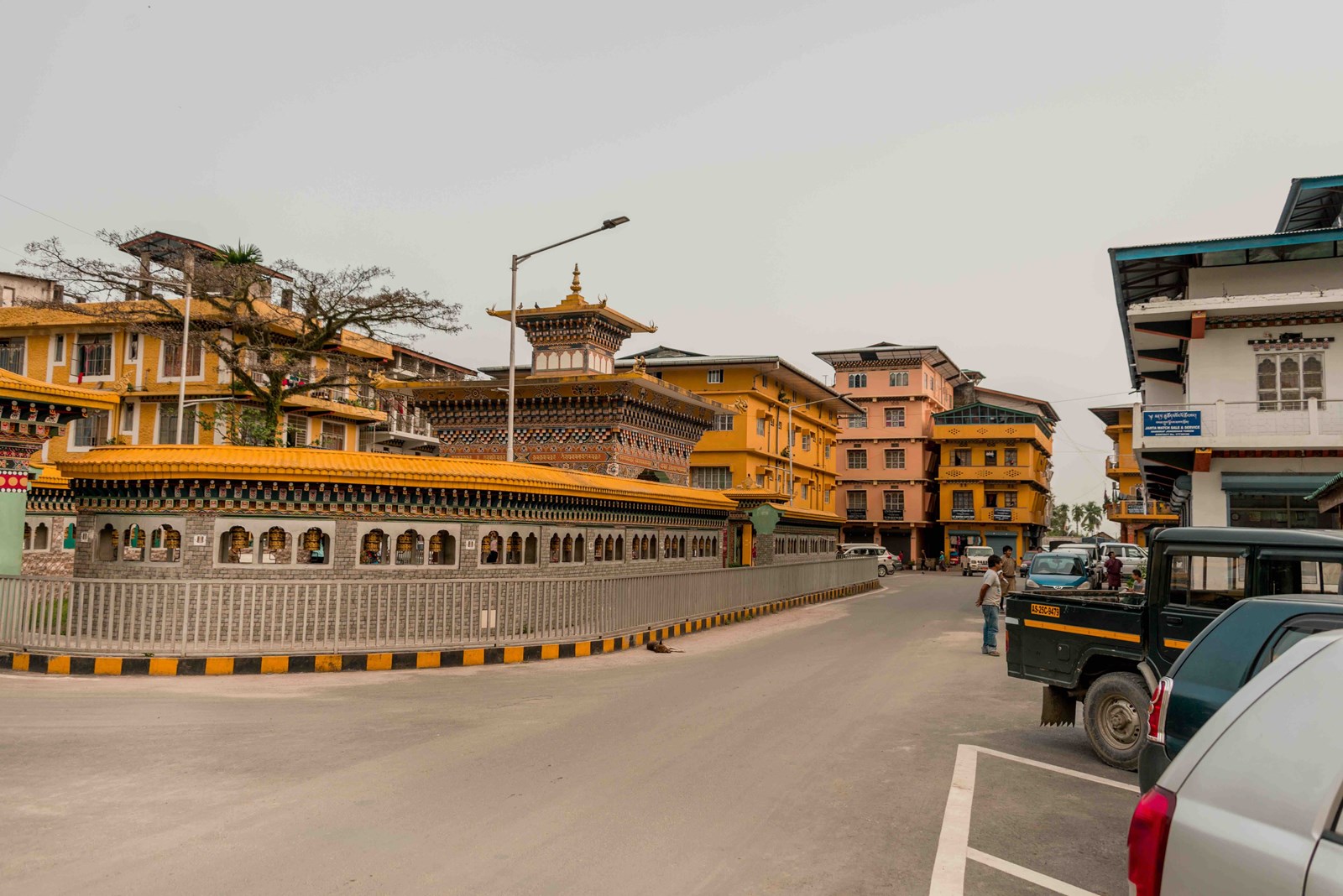
Begin the adventure at the gateway in the southeast. This bustling frontier town bridges the gap between the Indian plains of Assam and the Bhutanese mountains. It offers a unique cultural blend visible in its temples and local cuisine.
Trashigang and Trashiyangtse
The drive north into the highlands leads to Trashigang, once a major trading hub. A full-day excursion to Trashi Yangtse reveals the Chorten Kora, a striking white stupa modeled after Nepal's Boudhanath, and the Gom Kora temple, perched serenely above the river.
Lhuentse and Khoma Village
Venture into the ancestral home of the Royal Family. The region is famous for the towering Guru Nangsey Zilneon statue in Takila. A hike to Khoma Village provides a look at the intricate weaving of Kishuthara silk, Bhutan’s most prized textile.
Phase 2: The Spiritual Heartlands
Mongar to Bumthang
The drive westward crosses the Thrumshing La Pass, reaching 3,800m. This high-altitude journey transitions from subtropical greenery to alpine forests as you enter Bumthang, the kingdom’s spiritual core.
Bumthang Valley Spend time exploring some of the oldest temples in the country, including the 7th-century Jambay Lhakhang and Kurjey Lhakhang. This region is ideal for home visits, offering a chance to share a traditional dinner with a local family.
Trongsa and Gangtey
Travel to the ancestral home of the monarchy in Trongsa to visit the massive Trongsa Dzong. Continue to the glacial Phobjikha Valley, a protected habitat for the rare Black-necked Cranes and home to the Gangtey Goempa monastery.
Phase 3: The Iconic West
Punakha
Descend into the lush Punakha Valley to visit the Punakha Dzong, situated at the confluence of the Pho Chhu and Mo Chhu rivers. Walking across the long suspension bridge offers panoramic views of the valley’s fertile landscape.
Thimphu
Cross the Dochula Pass, adorned with 108 memorial chortens, to reach the capital. Thimphu blends tradition with modernity, featuring the giant Buddha Dordenma statue, the National Memorial Chorten, and unique artisanal craft galleries.
Paro and Tiger’s Nest
The journey concludes in the Paro Valley. After exploring the National Museum and Paro Dzong, embark on the ultimate pilgrimage: the hike to Taktsang Monastery (Tiger’s Nest). Perched on a sheer cliff 900m above the valley floor, it serves as the spiritual finale to the cross-country expedition.
Travel Logistics and Tips
Best Time to Visit
Spring (March–May) and Autumn (September–November) provide the best weather for clear mountain views and attending vibrant local festivals. However, the East is beautiful year-round for those seeking fewer crowds.
Route Directions
Starting in the East and ending in the West is often considered a "crescendo" itinerary, saving the most famous landmarks like the Tiger's Nest for the final days of the trip.



Follow Druk Asia on social media for inspiring travel stories, breathtaking photos, and the latest updates from Bhutan.
Ready to Experience the Magic of Bhutan?
Fill in the form below and the friendly Bhutan Travel Specialist team will get back to you with expert advice, itinerary ideas, and everything you need to know. No obligations, just warm guidance from those who know Bhutan best.
Thank you for your message!
Hang tight—one of our friendly Bhutan Travel Specialists from Druk Asia will be reaching out soon with expert tips, insider advice, and exciting itinerary ideas to help you plan the adventure of a lifetime!
Discover
Breathtaking
Bhutan.
Thank you for subscribing!
You have successfully subscribed to our newsletter.
