BHUTAN
Travelog
20
Aug, 2026

Bhutan Packing List: What to Pack for Every Season
Packing for Bhutan requires a little more planning than you might expect. A single journey could take you from the warmer valleys of Punakha to a cold morning at Dochula Pass and a cool evening in Paro.
The key is to bring comfortable layers that you can add or remove throughout the day. You will also need suitable clothing for religious sites, dependable walking shoes and protection from the strong mountain sun.
This Bhutan packing list covers the clothing, footwear, travel documents, electronics and everyday essentials you will need. It also includes seasonal advice and additional equipment for the Tiger’s Nest hike and longer treks.
Quick Bhutan packing checklist
For most cultural journeys to Bhutan, pack:
-
Passport and Bhutan visa or permit documents
-
Travel insurance details
-
Comfortable layered clothing
-
Warm fleece or light jacket
-
Waterproof jacket
-
Long sleeved top and full length trousers
-
Comfortable walking shoes with good grip
-
Sunscreen and sunglasses
-
Reusable water bottle
-
Personal medication
-
Universal power adaptor
-
Phone, charger and power bank
-
Small day bag
-
Cash and payment cards
Your exact packing list should reflect your travel month, itinerary and planned activities.
Understanding Bhutan’s climate
Bhutan’s climate changes considerably according to elevation and location.
Southern Bhutan
Destinations in southern Bhutan, including Gelephu and Phuentsholing, generally experience warmer and more humid conditions.
Central valleys
Paro, Thimphu, Punakha and Bumthang have milder conditions, although temperatures vary between valleys. Punakha is generally warmer than Paro and Thimphu.
Mountain passes and northern regions
Higher areas can be cold and windy, even when the valleys feel comfortable. Conditions become considerably colder on high altitude trekking routes.
Weather can also change during the day. Dressing in layers allows you to remain comfortable as you travel between valleys and mountain passes.
What to pack for Bhutan in every season
What should I pack for Bhutan in spring?
For March to May, pack:
-
Light layers
-
Fleece jacket
-
Waterproof shell
-
Comfortable walking shoes
-
Sun protection
Spring usually brings pleasant daytime conditions, but mornings and evenings can remain cool. Occasional rain is possible, particularly later in the season.
What should I pack for Bhutan in summer?
For June to August, pack:
-
Lightweight, breathable clothing
-
Quick drying trousers
-
Waterproof jacket or poncho
-
Comfortable walking shoes
-
Compact umbrella
-
Insect repellent
-
Sun protection
Summer is Bhutan’s rainy season, so prepare for warm temperatures, regular showers and occasionally muddy paths. A waterproof cover or dry bag will help protect your phone, camera and other valuables.
What should I pack for Bhutan in autumn?
For September to November, pack:
-
Layered clothing
-
Warm jacket for mornings and evenings
-
Comfortable walking shoes
-
Rain protection for early autumn
-
Sun protection
-
Gloves for higher elevations
Early autumn can still receive some rain. Conditions generally become clearer and cooler as the season progresses, particularly during October and November.
What should I pack for Bhutan in winter?
For December to February, pack:
-
Warm insulated jacket
-
Thermal base layers
-
Fleece or sweater
-
Gloves and scarf
-
Warm socks
-
Comfortable closed shoes
-
Lip balm and moisturiser
Winter days can be sunny and comfortable, but mornings, evenings and mountain passes may be very cold. Temperatures can fall below freezing at night in places such as Paro and Thimphu.
Essential clothing for Bhutan
Use a simple layering system
Instead of relying on one heavy jacket, bring several layers that can be worn together.
A practical layering system includes:
-
Lightweight base layer
-
Long sleeved shirt
-
Fleece, sweater or light down jacket
-
Waterproof and wind resistant outer layer
You can remove the warmer layers during sunny afternoons and put them back on when temperatures fall.
Everyday clothes
For sightseeing and cultural tours, bring:
-
Comfortable shirts and tops
-
Long sleeved shirts
-
Full length trousers
-
Lightweight walking trousers
-
Fleece or sweater
-
Warm jacket appropriate for the season
-
Waterproof outer layer
-
Casual clothes for evenings
-
Sleepwear
-
Underwear and comfortable socks
Quick drying fabrics are particularly useful during summer and on active itineraries. Cotton is comfortable for relaxed sightseeing, but it may take longer to dry during the rainy season.
What to wear at monasteries and dzongs
Bhutanese temples, monasteries and dzongs have a modest dress code. Wear a long sleeved top with full length trousers or a long skirt when visiting religious and administrative sites.
You should also:
-
Remove hats before entering sacred areas
-
Remove your shoes where requested
-
Avoid sleeveless tops, shorts and revealing clothing
-
Ask before taking photographs inside religious sites
-
Avoid touching religious objects, paintings and statues
-
Follow any instructions given by your guide or temple staff
Bring shoes that are easy to remove and a pair of presentable socks. A light jacket or shawl can provide additional coverage, but it should not replace an appropriate top where long sleeves are required.
You do not need formal clothes for an ordinary cultural tour. Smart casual clothing can be useful for special dinners, official events and festivals.
What shoes should you bring to Bhutan?
Comfortable footwear is essential because many attractions have steps, slopes and uneven paths.
For a cultural tour, pack:
-
Comfortable walking shoes with good grip
-
Easy to remove shoes for religious sites
-
Casual shoes or sandals for your hotel
For the Tiger’s Nest hike, sturdy walking or hiking shoes with good grip are normally sufficient. Proper hiking boots are recommended for longer treks, muddy trails and routes with rougher terrain.
Break in any new footwear before travelling. A Bhutan holiday is not the ideal time to discover that your new shoes cause blisters.
What to pack for the Tiger’s Nest hike
The hike to Paro Taktsang, better known as the Tiger’s Nest Monastery, is one of the highlights of a journey to Bhutan. You do not need specialist trekking equipment, but you should prepare for several hours of walking and a long series of steps.
Bring:
-
Comfortable walking or hiking shoes
-
Small day bag
-
Reusable water bottle
-
Light jacket or fleece
-
Waterproof jacket during wetter months
-
Sun hat
-
Sunscreen
-
Sunglasses
-
Personal medication
-
Energy snack
-
Trekking poles if you prefer additional support
-
Phone or camera
Dress modestly because you will be entering a sacred site. Your shoulders and legs should be covered.
Keep your bag light. Carrying unnecessary items can make the climb more tiring, especially if you are not accustomed to walking at elevation.
Travel documents and money
Keep your important documents together and make digital copies that you can access securely.
Bring:
-
Passport valid for at least six months from your intended departure from Bhutan
-
Bhutan visa, permit or entry approval applicable to your nationality
-
Flight confirmation
-
Travel insurance documents
-
Accommodation and itinerary details
-
Emergency contact information
-
Copies of your passport and other important documents
-
Payment cards
-
Cash for smaller purchases
Cards are accepted at many hotels, larger shops and established businesses. Cash remains useful at markets, smaller shops and places where electronic payment may not be available.
You can exchange major foreign currencies after arriving in Bhutan. Ask your tour operator or guide for advice on reliable exchange facilities.
Health and personal care items
Pharmacies and shops are available in major towns such as Paro and Thimphu, but your preferred brands or specialist products may not always be available.
Consider packing:
-
Prescription medication
-
Copies of your prescriptions
-
Basic first aid supplies
-
Plasters and blister treatment
-
Pain relief medication
-
Motion sickness tablets for winding mountain roads
-
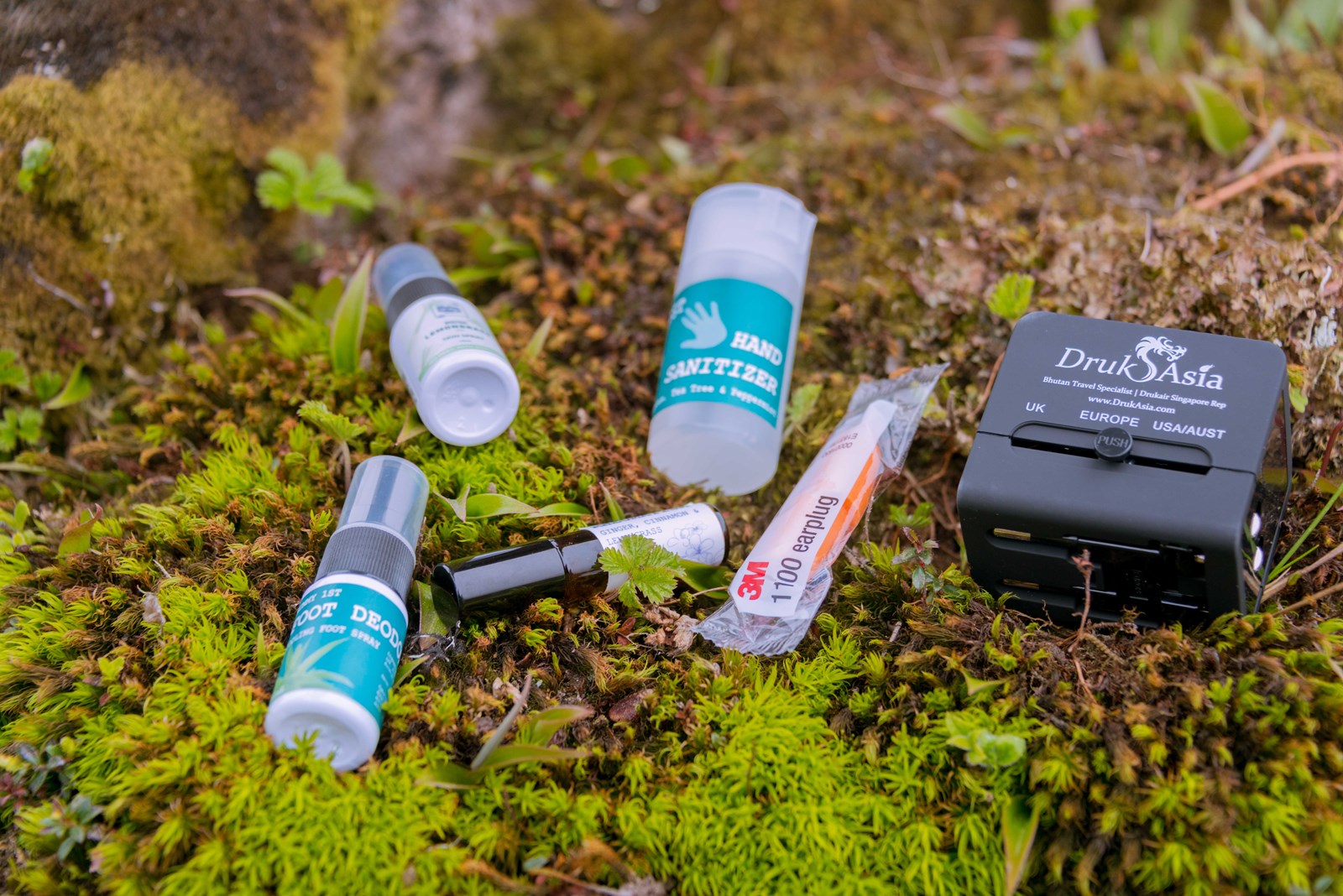
Hand sanitiser
-
Tissues and wet wipes
-
Insect repellent
-
Sunscreen with a high protection factor
-
Lip balm
-
Moisturiser
-
Personal toiletries
-
Spare glasses or contact lenses
Most visitors on a standard cultural tour do not require altitude medication. Speak to your doctor before travelling if you have an existing health condition, concerns about altitude or plans to undertake a high altitude trek.
Electronics and connectivity
Most hotels in Bhutan offer Wi Fi, and mobile coverage is generally available in the main towns. Connections may be slower or less reliable in rural and mountainous areas.
Pack:
-
Smartphone
-
Charging cables
-
Universal travel adaptor
-
Power bank
-
Camera
-
Spare camera batteries
-
Additional memory cards
-
Earphones
-
International roaming plan or local SIM card
-
Offline maps and copies of important travel information
Bhutan uses Type D, F and G electrical sockets. A universal adaptor is the simplest option.
Keep power banks and spare lithium batteries in your cabin baggage rather than your checked luggage. Confirm the latest airline requirements before departure.
Packing for a Bhutan trek
Longer treks require more equipment than a cultural tour or the Tiger’s Nest hike. Your final list will depend on the route, season, elevation and number of nights.
Typical personal trekking items include:
-
Waterproof hiking boots
-
Moisture wicking base layers
-
Fleece or insulated jacket
-
Waterproof jacket and trousers
-
Thermal clothing
-
Warm hat and gloves
-
Trekking socks
-
Day bag
-
Reusable water bottle
-
Headlamp with spare batteries
-
Trekking poles
-
Sunglasses
-
Sunscreen
-
Personal first aid supplies
-
Dry bags
-
Energy snacks
-
Sleeping bag suitable for the expected conditions
Your tour operator will normally arrange major camping equipment for an organised trek, but inclusions vary. Confirm if tents, sleeping bags, duffel bags, trekking poles and other personal equipment are provided before departure.
Other useful items travellers often forget
A few small items can make your journey more comfortable:
-
Reusable water bottle
-
Compact umbrella
-
Small day bag
-
Rain cover for your bag
-
Packing cubes
-
Laundry bag
-
Reusable shopping bag
-
Swimwear for hotel pools, hot springs or hot stone baths
-
Notebook and pen
-
Binoculars for birdwatching
-
Eye mask and earplugs
-
A Bhutan guidebook
-
Space in your luggage for souvenirs
Bhutan is known for handwoven textiles, traditional crafts, incense, handmade paper and locally produced goods. Leaving some room in your luggage can save you from struggling with your suitcase at the end of the journey.
What should you avoid packing for Bhutan?
Try to avoid:
-
Unnecessary formal clothing
-
Uncomfortable shoes that have not been broken in
-
Excessive toiletries already provided by your hotel
-
Large quantities of cash
-
Single use items where reusable alternatives are available
-
Heavy trekking equipment already supplied by your operator
-
A drone as it is strictly prohibited in Bhutan
Packing lightly is especially helpful because most Bhutan itineraries involve travelling between several valleys and hotels.
Drukair luggage allowance
For scheduled international Drukair flights, the standard checked baggage allowance is generally:
-
30 kg for Economy Class
-
40 kg for Business Class
The usual cabin baggage allowance is:
-
5 kg for Economy Class
-
7 kg for Business Class
Allowances can vary by airline, route and ticket type. Always check the baggage information shown on your ticket before packing.
If your journey includes another airline, its baggage allowance may be lower than Drukair’s allowance. Check every flight included in your itinerary.
Final packing tips for Bhutan
Before closing your suitcase:
-
Check the forecast for each destination on your itinerary
-
Consider the elevation as well as the season
-
Keep medication, documents and valuables in your cabin bag
-
Pack one change of clothing in your cabin bag
-
Use layers instead of relying on one bulky jacket
-
Keep rain protection accessible during the day
-
Confirm what your tour operator provides
-
Leave room for Bhutanese crafts and souvenirs
If you are travelling with Druk Asia, your travel specialist can advise you based on your route, departure month and planned activities. This is especially helpful if your itinerary includes high mountain passes, festivals, trekking or travel to southern Bhutan.
Frequently asked questions about packing for Bhutan
What is the most important thing to pack for Bhutan?
Comfortable layers are the most important clothing items. Bhutan’s temperature can change as you travel between valleys and mountain passes. You should also bring comfortable walking shoes, modest clothing for religious sites and all necessary travel documents.
Do I need a winter jacket for Bhutan?
A warm insulated jacket is recommended from December to February. A fleece or light down jacket is usually sufficient for many spring and autumn journeys, although colder conditions are possible at mountain passes and higher elevations.
Do I need hiking boots for Bhutan?
Hiking boots are not essential for most cultural tours. Comfortable walking shoes with good grip are normally sufficient for sightseeing and the Tiger’s Nest hike. Proper hiking boots are recommended for longer treks and rougher trails.
What should women wear in Bhutan?
Women can wear trousers, walking trousers, long skirts, dresses and layered tops. When visiting religious sites, wear a long sleeved top with full length trousers or a long skirt.
What should men wear in Bhutan?
Comfortable shirts, long sleeved tops and full length trousers are suitable for most activities. Men should avoid shorts and sleeveless tops when entering monasteries, temples and dzongs.
Can I wear jeans in Bhutan?
Yes. Jeans are suitable for sightseeing and casual activities, provided they are comfortable. Lightweight walking trousers may be more practical for hikes and warmer weather.
Can I buy travel essentials in Bhutan?
You can buy basic toiletries, medication, snacks and clothing in larger towns such as Paro and Thimphu. Specialist products and particular international brands may be difficult to find, so bring anything you consider essential.
Should I bring cash to Bhutan?
Yes. Cards are accepted at many hotels and larger establishments, but cash is useful for markets, small shops, tips and purchases in locations where card facilities are unavailable.
Do I need rainwear in Bhutan?
A light waterproof jacket is useful throughout the year because mountain weather can change quickly. Stronger rain protection and an umbrella are particularly important from June to August.
Do I need formal clothing?
Formal clothing is not usually required. Bring neat, modest clothing for religious sites and smart casual attire if your itinerary includes a special dinner, official function or formal event.



Follow Druk Asia on social media for inspiring travel stories, breathtaking photos, and the latest updates from Bhutan.
Ready to Experience the Magic of Bhutan?
Fill in the form below and the friendly Bhutan Travel Specialist team will get back to you with expert advice, itinerary ideas, and everything you need to know. No obligations, just warm guidance from those who know Bhutan best.
Thank you for your message!
Hang tight—one of our friendly Bhutan Travel Specialists from Druk Asia will be reaching out soon with expert tips, insider advice, and exciting itinerary ideas to help you plan the adventure of a lifetime!
Discover
Breathtaking
Bhutan.
Thank you for subscribing!
You have successfully subscribed to our newsletter.
