BHUTAN
Travelog
11
May, 2026

Bhutan Without Trekking: The Ultimate Guide to Experiencing Bhutan Beyond the Trails
Bhutan is often associated with high-altitude trekking, remote mountain trails, and adventurous expeditions across the Himalayas. While Bhutan’s trekking routes are undeniably spectacular, many travellers are surprised to learn that trekking is not necessary to experience the country’s beauty, spirituality, and cultural richness.
In fact, Bhutan is one of the most rewarding destinations in Asia for travellers seeking immersive experiences without strenuous hiking. From ancient monasteries perched on cliffs to peaceful valleys dotted with traditional farmhouses, Bhutan offers extraordinary journeys through culture, wellness, spirituality, photography, cuisine, and luxury travel.
Whether you are a senior traveller, family, honeymoon couple, luxury explorer, photographer, wellness enthusiast, or simply someone who prefers comfort over mountain trekking, Bhutan offers an unforgettable experience tailored to slower, deeper travel.
This comprehensive guide explores everything you can enjoy in Bhutan without trekking, including the best destinations, cultural experiences, scenic drives, luxury hotels, wellness retreats, festivals, food experiences, and suggested itineraries.
Why Visit Bhutan Without Trekking?
Bhutan’s appeal extends far beyond its trekking trails. The country is uniquely positioned as one of the world’s last Himalayan Buddhist kingdoms, where culture and spirituality remain deeply woven into daily life.
Unlike destinations where attractions are scattered or commercialised, Bhutan offers immersive experiences almost everywhere you travel. Scenic valleys, monasteries, fortresses, prayer flags, rivers, and mountain landscapes are accessible through comfortable road journeys and short walks.
Benefits of Exploring Bhutan Without Trekking
1. Comfortable and Accessible Travel
Many of Bhutan’s highlights are accessible by road. Comfortable vehicles connect major valleys including Paro, Thimphu, Punakha, Gangtey, and Bumthang.
Travellers can experience spectacular Himalayan scenery without physically demanding activities.
2. Rich Cultural Experiences
Bhutan’s greatest treasures are cultural rather than adrenaline-based. Visitors can explore:
- Ancient monasteries
- Dzongs (fortress-monasteries)
- Buddhist rituals
- Traditional arts and crafts
- Local festivals
- Farmhouse experiences
- Bhutanese cuisine
- Spiritual ceremonies
3. Ideal for All Age Groups
Non-trekking Bhutan tours are ideal for:
- Senior travellers
- Families with children
- Couples
- Luxury travellers
- Wellness seekers
- Cultural enthusiasts
- Photographers
- First-time visitors to the Himalayas
4. Luxury and Wellness Opportunities
Bhutan has developed an exceptional luxury hospitality sector focused on wellness, mindfulness, and nature immersion.
Travellers can enjoy:
- Luxury lodges
- Traditional hot stone baths
- Meditation retreats
- Yoga sessions
- Spa therapies
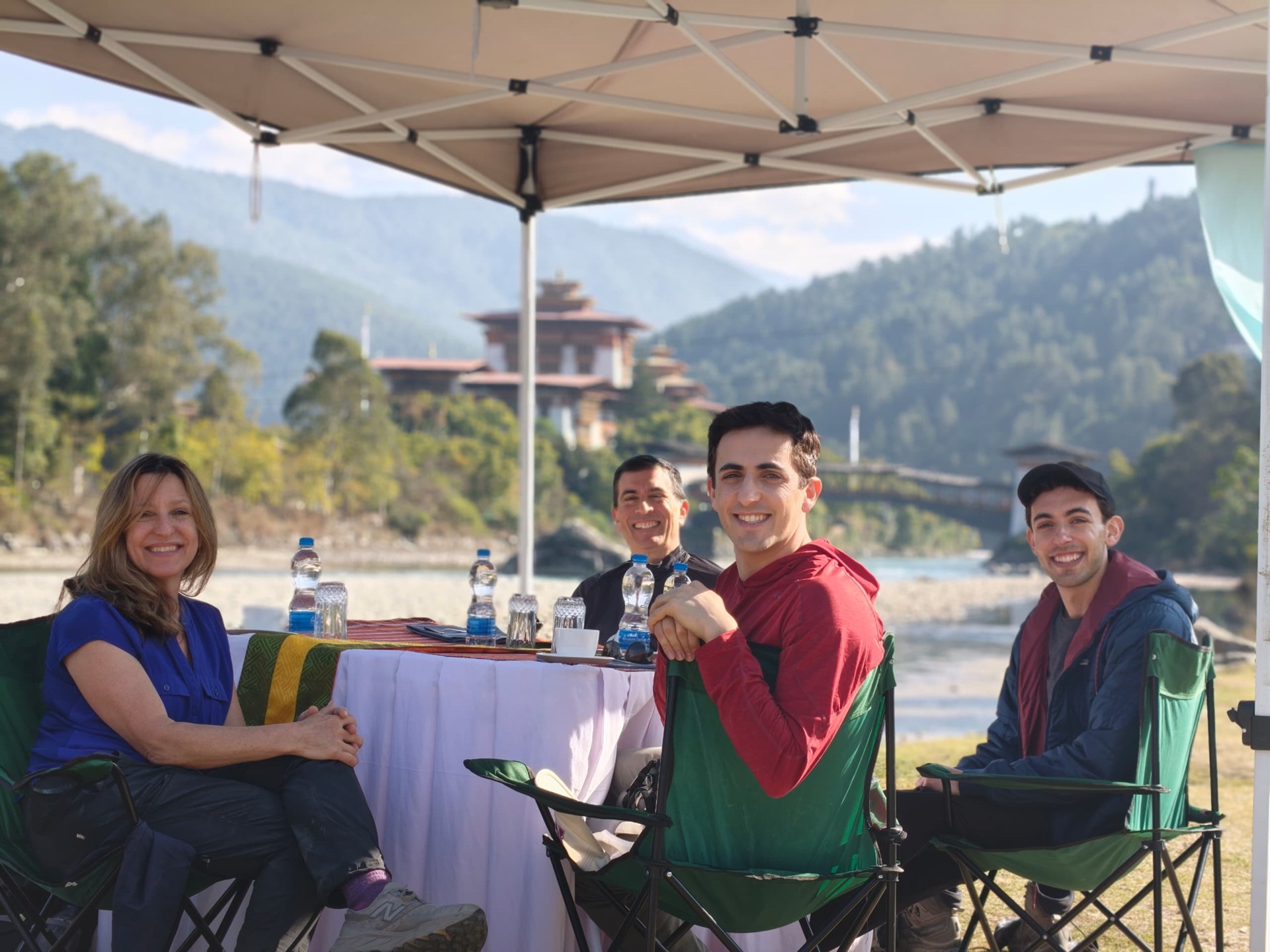
- Scenic riverfront stays
- Farm-to-table dining
Best Places to Visit in Bhutan Without Trekking
1. Paro Valley
Paro is Bhutan’s most visited valley and the gateway to the country, home to Bhutan’s international airport.
Surrounded by pine-covered mountains and rice fields, Paro combines accessibility with some of Bhutan’s most iconic attractions.
Top Attractions in Paro
Tiger’s Nest Monastery (Taktsang)
Tiger’s Nest Monastery is Bhutan’s most famous landmark. While reaching the monastery requires a hike, many travellers choose easier alternatives:
- Renting a horse or mule to the viewpoint cafe at the halfway point
- Enjoy distant photography views
- Visit nearby monasteries instead
- Experience the cultural significance without completing the full ascent
For travellers avoiding strenuous activity, guides can tailor the experience to your comfort level.
Paro Dzong
Also known as Rinpung Dzong, this impressive fortress-monastery showcases Bhutanese architecture, Buddhist art, and panoramic river views.
National Museum of Bhutan
Located in a historic watchtower, the museum offers insights into Bhutanese history, religion, textiles, and traditional lifestyles.
Kyichu Lhakhang
One of Bhutan’s oldest temples, Kyichu Lhakhang provides a peaceful spiritual atmosphere and beautiful traditional architecture.
2. Thimphu – Bhutan’s Capital
Thimphu is one of the world’s most unique capitals, blending traditional Bhutanese culture with modern Himalayan life.
Despite being the capital city, Thimphu remains relaxed, scenic, and deeply cultural.
Things to Do in Thimphu Without Trekking
Visit Buddha Dordenma
The gigantic Buddha statue overlooking Thimphu Valley is among Bhutan’s most photographed landmarks.
Visitors can enjoy panoramic views of the valley while exploring meditation halls and temple interiors.
Explore Tashichho Dzong
This important administrative and monastic fortress hosts government offices and the king’s throne room.
Discover Bhutanese Crafts
Visit:
- National Institute for Zorig Chusum
- Textile museums
- Craft markets
- Handmade paper workshops
- Thangka painting studios
Experience Bhutanese Cafes and Restaurants
Thimphu has Bhutan’s best culinary scene, including:
- Traditional Bhutanese food
- Contemporary Himalayan cuisine
- Farm-to-table dining
- International restaurants
- Artisan coffee shops
Attend a Festival
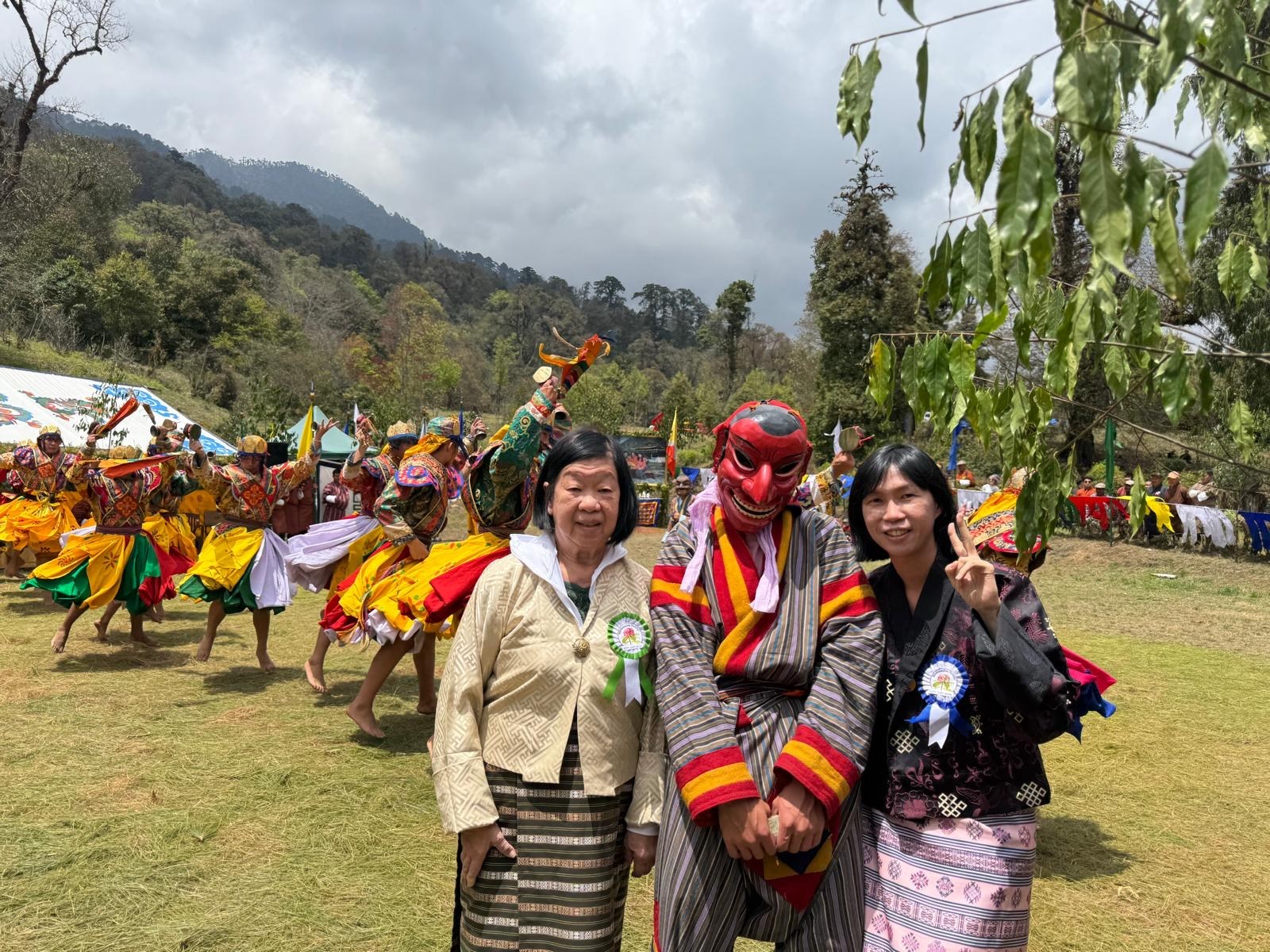
If your travel dates align, Thimphu Tshechu and Paro Tshechu are the most popular Bhutan's religious festivals featuring masked dances, music, and cultural performances.
3. Punakha Valley
Punakha is among Bhutan’s most beautiful valleys and an excellent destination for travellers seeking scenic relaxation.
With its warmer climate, river valleys, jacaranda trees, and rice fields, Punakha offers a gentler Himalayan experience.
Best Experiences in Punakha
Visit Punakha Dzong
Often considered Bhutan’s most beautiful fortress, Punakha Dzong sits dramatically between two rivers.
The dzong is especially photogenic during spring when jacaranda trees bloom.
Cross the Punakha Suspension Bridge
This scenic bridge offers beautiful river and valley views without requiring a hike.
Riverside Relaxation
Punakha is ideal for:
- Leisure walks
- Scenic picnics
- Photography
- Wellness stays
- Riverside dining
Farmhouse Experiences
Visitors can enjoy authentic Bhutanese hospitality through traditional farmhouse visits, local meals, and cultural interactions.
4. Gangtey and Phobjikha Valley
Phobjikha Valley is one of Bhutan’s most peaceful destinations.
Known for its glacial valley landscapes and endangered black-necked cranes, Gangtey is perfect for travellers seeking nature without trekking.
Highlights of Gangtey
Black-Necked Crane Observation
From late autumn to early spring, migratory black-necked cranes arrive from Tibet.
Birdwatching can be enjoyed from roadsides, viewpoints, and visitor centres.
Gangtey Monastery
This important monastery overlooks the valley and provides a serene cultural experience.
Scenic Valley Drives
The journey itself is one of Bhutan’s highlights, with forests, mountain passes, and panoramic landscapes.
Luxury Nature Retreats
Gangtey has become a premier wellness and luxury destination with high-end lodges focused on mindfulness and slow travel.
5. Bumthang Valley
Bumthang is Bhutan’s spiritual heartland and ideal for travellers interested in culture, spirituality, and local traditions.
Rather than trekking, visitors can explore:
- Ancient temples
- Sacred monasteries
- Village life
- Local cheese and honey farms
- Scenic drives
- Cultural festivals
Must-Visit Places in Bumthang
Jambay Lhakhang
One of Bhutan’s oldest temples with deep historical significance.
Kurjey Lhakhang
An important pilgrimage site associated with Guru Rinpoche.
Swiss Farm and Red Panda Brewery
A unique cultural stop where visitors can sample local cheese and Bhutanese craft beer.
Cultural Experiences in Bhutan Without Trekking
Attend Bhutanese Festivals (Tshechus)
Bhutan’s festivals are among the most immersive cultural experiences in Asia.
Monks and lay performers perform sacred masked dances accompanied by music and rituals.
Popular festivals include:
- Paro Tshechu
- Thimphu Tshechu
- Punakha Drubchen
- Jambay Lhakhang Drup
These festivals provide extraordinary opportunities for photography and cultural immersion.
Traditional Bhutanese Hot Stone Bath
A Bhutanese hot stone bath is one of the country’s most unique wellness experiences.
River stones are heated in fire and placed into wooden baths infused with medicinal herbs.
Benefits include:
- Relaxation
- Muscle relief
- Improved circulation
- Cultural immersion
Hot stone baths are especially popular after long road journeys.
Bhutanese Cuisine Experiences
Bhutanese cuisine is deeply connected to local agriculture and seasonal ingredients.
Foods to Try
Ema Datshi
Bhutan’s national dish made with chillies and cheese.
Phaksha Paa
Pork cooked with radish and red chillies.
Momos
Traditional dumplings served steamed or fried.
Red Rice
Nutritious Bhutanese rice commonly served with meals.
Suja (Butter Tea)
Traditional salted tea consumed across Bhutan.
Travellers can also enjoy:
- Cooking classes
- Farm-to-table dining
- Organic meals
- Local farmhouse lunches
Luxury Travel in Bhutan Without Trekking
Bhutan has emerged as a world-class luxury destination.
Many travellers visit Bhutan specifically for wellness, privacy, and immersive luxury experiences.
Best Luxury Experiences
Luxury Lodges
International luxury brands and boutique lodges provide:
- Spa treatments
- Meditation programs
- Scenic suites
- Cultural immersion
- Fine dining
- Riverfront settings
Wellness Retreats
Bhutan is ideal for:
- Yoga retreats
- Mindfulness programs
- Meditation experiences
- Digital detox holidays
- Spiritual journeys
Pro tip
Explore Bhutan in comfort and style. Check out the 5-star resorts in Bhutan across the kingdom.
Scenic Helicopter Experiences
You can also opt for a luxury helicopter experience in Bhutan offering aerial Himalayan views.
View this post on Instagram
Scenic Drives in Bhutan
One of the best ways to experience Bhutan without trekking is through scenic road journeys.
Road travel in Bhutan is slow but incredibly rewarding.
Most Scenic Routes
Paro to Thimphu
A gentle introduction featuring river valleys and forests.
Thimphu to Punakha via Dochula Pass
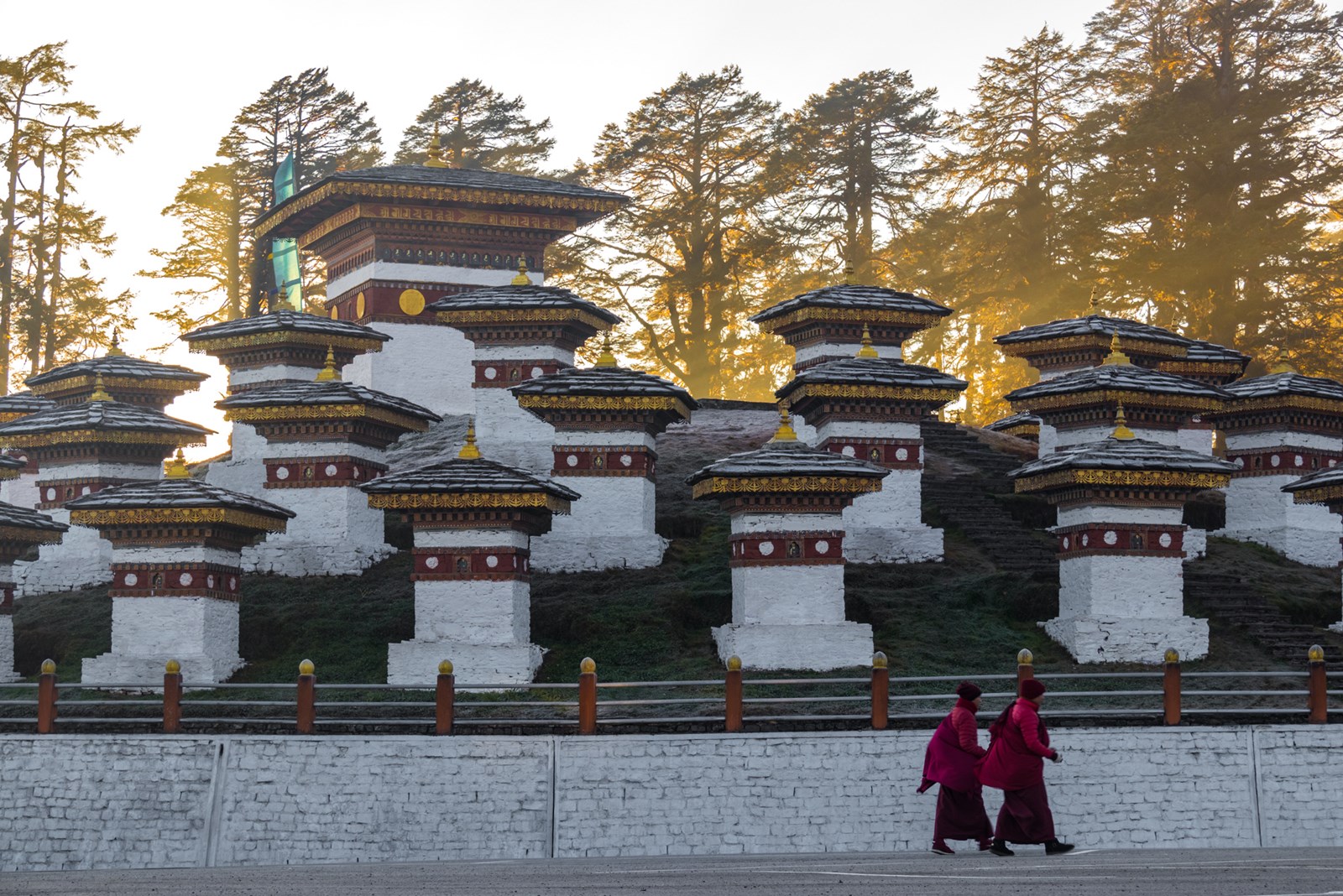
This route offers panoramic Himalayan views and the iconic 108 chortens of Dochula Pass.
Punakha to Gangtey
A beautiful transition from subtropical valleys to alpine landscapes.
Bumthang Road Journey
Long but spectacular, passing forests, mountain villages, and scenic valleys.
Photography Opportunities in Bhutan
Bhutan is a dream destination for photographers.
Even without trekking, visitors can capture:
- Monasteries
- Festivals
- Himalayan landscapes
- Traditional architecture
- Monks and rituals
- Prayer flags
- Rural village life
- Wildlife
Best Photography Locations
- Tiger’s Nest viewpoints
- Punakha Dzong
- Dochula Pass
- Phobjikha Valley
- Paro Valley
- Thimphu viewpoints
Best Time to Visit Bhutan Without Trekking
Spring (March to May)
Best for:
- Pleasant weather
- Rhododendron blooms
- Festivals
- Photography
Autumn (September to November)
Best for:
- Clear mountain views
- Festivals
- Comfortable temperatures
- Scenic drives
Winter (December to February)
Best for:
- Fewer tourists
- Black-necked cranes
- Clear skies
- Cultural travel
Summer (June to August)
Best for:
- Lush green valleys
- Fewer crowds
- Wellness retreats
- Photography of dramatic landscapes
Suggested Bhutan Itinerary Without Trekking
7-Day Bhutan Cultural Tour
Day 1: Arrival in Paro
- Airport welcome
- Visit Paro Dzong
- Explore Kyichu Lhakhang
Day 2: Paro Exploration
- Tiger’s Nest viewpoint visit
- National Museum
- Local markets
Day 3: Drive to Thimphu
- Buddha Dordenma
- Tashichho Dzong
- Craft markets
Day 4: Thimphu to Punakha
- Dochula Pass
- Punakha Dzong
- Suspension bridge
Day 5: Punakha Leisure Day
- Farmhouse lunch
- Riverside relaxation
- Hot stone bath
Day 6: Return to Paro
- Scenic drive
- Shopping
- Farewell dinner
Day 7: Departure
Bhutan Travel Tips for Non-Trekkers
Choose Comfortable Pacing
Bhutan travel is best enjoyed slowly. Avoid rushing between too many destinations.
Prepare for Mountain Roads
Road journeys can be winding. Motion sickness medication may help sensitive travellers.
Dress Modestly
Bhutan is culturally conservative, especially at monasteries and religious sites.
Acclimatise Gradually
Even without trekking, some locations are at higher altitudes.
Stay hydrated and rest when needed.
Travel With a Reputable Bhutan Tour Operator
Bhutan requires international visitors to book through licensed tour operators.
Experienced operators can customise itineraries for comfort, accessibility, luxury, wellness, or cultural immersion.
Is Bhutan Worth Visiting Without Trekking?
Absolutely.
Bhutan is one of the few destinations where the journey itself becomes transformative, even without physically demanding adventures.
The country’s greatest strengths lie in:
- Spiritual atmosphere
- Cultural authenticity
- Scenic beauty
- Slow travel experiences
- Hospitality
- Wellness
- Traditional lifestyles
- Mindful tourism
Travellers who skip trekking often discover a deeper, more relaxed side of Bhutan that focuses on meaningful connection rather than physical achievement.
For travellers who prefer scenic drives over mountain trails, Bhutan remains one of Asia’s most unforgettable destinations.
FAQs About Bhutan Without Trekking
Can you visit Bhutan without trekking?
Yes. Most of Bhutan’s major cultural attractions, valleys, monasteries, and luxury lodges are accessible by road and short walks.
Is Bhutan suitable for senior travellers?
Yes. Bhutan is increasingly popular among senior travellers due to its slow pace, cultural experiences, and comfortable luxury accommodations.
What are the best things to do in Bhutan without hiking?
Top experiences include visiting monasteries, attending festivals, enjoying hot stone baths, scenic drives, photography, wellness retreats, and cultural tours.
Is Tiger’s Nest mandatory in Bhutan?
No. While Tiger’s Nest is iconic, travellers can choose partial walks, viewpoints, or alternative monastery visits.
How many days are enough for Bhutan without trekking?
A 5 to 10-day itinerary is ideal for exploring Bhutan comfortably without trekking.
Is Bhutan good for luxury travel?
Yes. Bhutan is one of Asia’s leading luxury and wellness destinations with premium lodges, spa retreats, and curated cultural experiences.
What is the best season for Bhutan cultural tours?
Spring and autumn are generally considered the best seasons due to pleasant weather, festivals, and clear mountain views.


Follow Druk Asia on social media for inspiring travel stories, breathtaking photos, and the latest updates from Bhutan.
Ready to Experience the Magic of Bhutan?
Fill in the form below and the friendly Bhutan Travel Specialist team will get back to you with expert advice, itinerary ideas, and everything you need to know. No obligations, just warm guidance from those who know Bhutan best.
Thank you for your message!
Hang tight—one of our friendly Bhutan Travel Specialists from Druk Asia will be reaching out soon with expert tips, insider advice, and exciting itinerary ideas to help you plan the adventure of a lifetime!
Discover
Breathtaking
Bhutan.
Thank you for subscribing!
You have successfully subscribed to our newsletter.
