BHUTAN
Travelog
22
May, 2026

Complete Travel Guide to Haa Valley: Best Things to Do, Travel Tips & Best Time to Visit
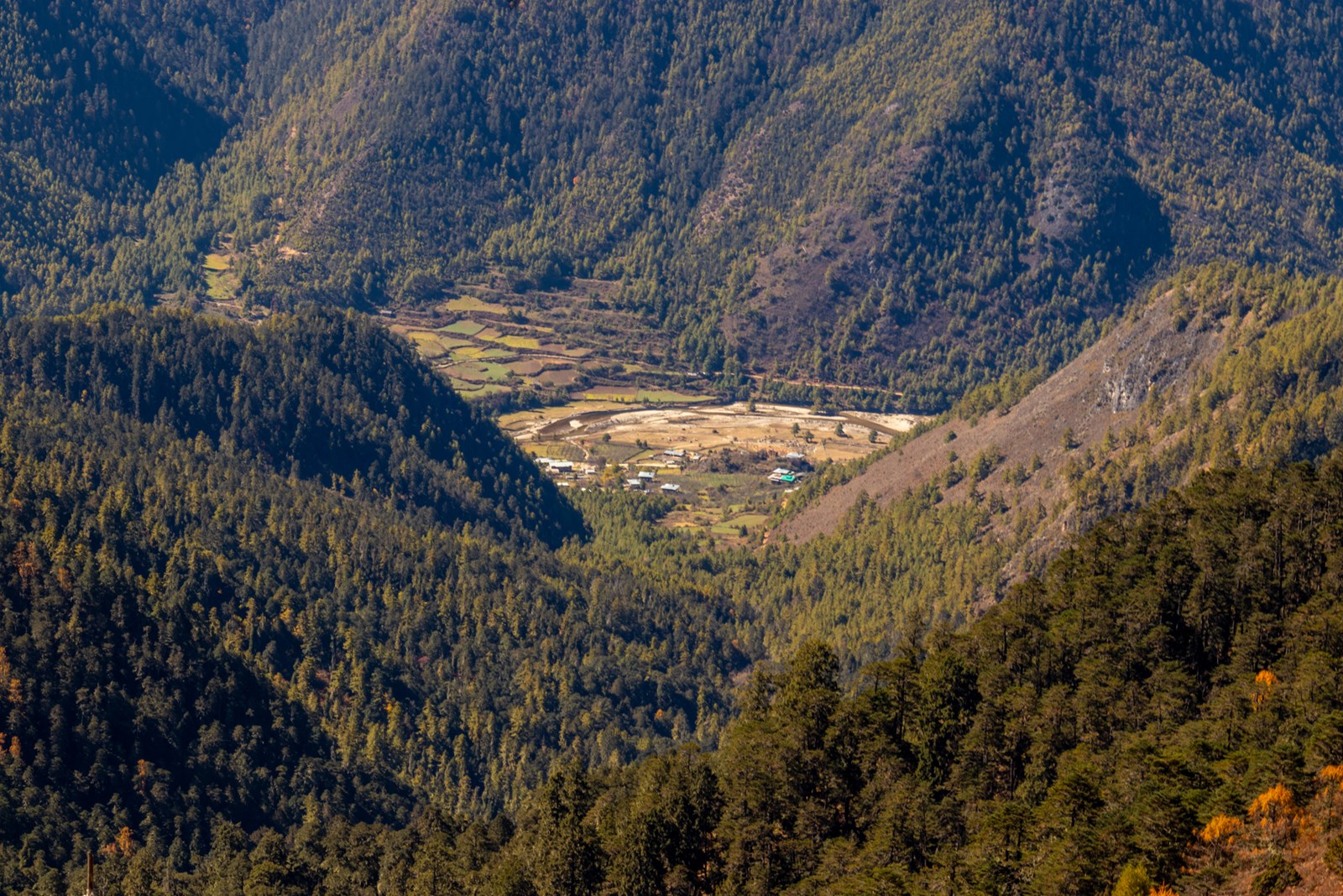
Hidden behind mountain passes in western Bhutan, Haa Valley is one of the country’s least-visited and most peaceful destinations. Surrounded by alpine forests, traditional farmhouses, ancient temples, and high Himalayan landscapes, the valley offers a quieter side of Bhutan that many travelers miss.
Unlike the more visited regions of Paro or Thimphu, Haa Valley feels slower, more rural, and deeply connected to Bhutanese traditions. The valley only opened to tourism in 2002, which helped preserve much of its natural beauty and cultural authenticity.
Whether you are planning a scenic road trip across western Bhutan, looking for trekking opportunities, or simply wanting to experience traditional Bhutanese village life, this guide covers everything you need to know before visiting Haa Valley.
Where Is Haa Valley?
Haa Valley is located in western Bhutan near the border with Tibet and southwest of Paro. The valley sits at an altitude of around 2,700 meters (8,860 feet) above sea level.
The most common route into the valley is via Chele La Pass, the highest motorable mountain pass in Bhutan at nearly 3,988 meters. The drive itself is considered one of the most scenic road journeys in the country.
Why Visit Haa Valley?
Many travelers visit Bhutan for monasteries and mountain scenery, but Haa Valley offers something different: silence, space, and authenticity.
Here’s what makes the valley special:
- Fewer tourists compared to Paro or Punakha
- Traditional Bhutanese village culture
- Scenic mountain roads and Himalayan viewpoints
- Ancient temples and spiritual sites
- Excellent trekking and hiking opportunities
- Farm stays and homestay experiences
- Alpine forests and birdwatching
The valley is especially attractive for travelers who prefer slower and more immersive travel experiences.
Best Time to Visit Haa Valley
The best time to visit Haa Valley is during spring and autumn.
Spring (March to May)
Spring brings rhododendron blooms, green landscapes, and clear mountain views. Temperatures are comfortable for hiking and sightseeing.
Autumn (September to November)
Autumn is widely considered the best season for visiting Haa Valley. The skies are clearer, temperatures are cool, and the Himalayan views are at their sharpest
Winter (December to February)
Winter can be cold, especially near Chele La Pass, where snowfall is possible. However, the valley becomes extremely peaceful and photogenic.
Monsoon (June to August)
Summer brings greener landscapes and fewer crowds, but rain and fog may affect road conditions and mountain visibility.
How to Reach Haa Valley
From Paro
The drive from Paro to Haa Valley takes around 2.5 to 3 hours depending on weather and road conditions.
The route crosses Chele La Pass, which offers panoramic views of Himalayan peaks including Mount Jomolhari on clear days.
From Thimphu
Travelers usually drive from Thimphu to Paro first before continuing to Haa Valley.
By Tour
Most international visitors explore Haa Valley as part of a guided Bhutan itinerary. Independent travel rules in Bhutan can change, so travelers should always verify the latest visa and guide requirements before visiting.
Top Things to Do in Haa Valley
Visit Chele La Pass
This mountain pass is one of Bhutan’s most iconic viewpoints. Prayer flags cover the ridgeline, and on clear days you can see snow-capped Himalayan peaks stretching across the horizon.
The drive itself is a major highlight of visiting Haa Valley.
Explore Lhakhang Karpo and Lhakhang Nagpo
Known as the White Temple and Black Temple, these sacred monasteries are among the valley’s most important religious landmarks.
According to Bhutanese tradition, the temples were established in locations where two sacred pigeons landed.
The peaceful setting and traditional architecture make them must-visit sites in Haa Valley.
Experience Traditional Bhutanese Village Life
One of the best reasons to stay in Haa Valley is the opportunity to experience local life more closely.
Many visitors stay in traditional farmhouses or homestays where they can:
- Try homemade Bhutanese meals
- Learn about rural Bhutanese culture
- Enjoy hot stone baths
- Observe farming traditions
Compared to Bhutan’s more touristy areas, Haa feels significantly more authentic and relaxed.
Go Trekking and Hiking
Haa Valley is an excellent base for trekking.
Popular routes include:
- Day hikes through pine forests and villages
- Alpine meadow walks
- Sections of the Trans Bhutan Trail
- Multi-day treks toward remote mountain regions
The area is especially attractive for nature lovers and photographers.
Try Local Bhutanese Food
Food in Haa Valley is hearty and traditional.
Some dishes to try include:
- Ema datshi (chili and cheese stew)
- Red rice
- Buckwheat pancakes
- Yak meat dishes
- Habi Ruto, a local dried yak cheese specialty from the region
Meals are often simple but freshly prepared using local ingredients.
Visit During the Haa Summer Festival
The Haa Summer Festival celebrates Bhutanese nomadic culture, local cuisine, sports, music, and traditions.
It usually takes place during summer and provides visitors with a chance to experience local customs more deeply.
How Many Days Should You Spend in Haa Valley?
Day Trip
A day trip from Paro is possible but rushed.
1 Night
One night is ideal for most travelers. It allows time to cross Chele La Pass, visit temples, and enjoy the valley atmosphere.
2 to 3 Nights
Recommended for trekkers, photographers, and slow travelers who want to experience village life more deeply.
Where to Stay in Haa Valley
Accommodation in Haa Valley is generally smaller and simpler than in Paro or Thimphu.
Options include:
- Traditional homestays
- Farm stays
- Small lodges
- Family-run guesthouses
Luxury hotels are limited, which is part of the valley’s charm. Staying with local families is often considered one of the best experiences in the area.
What to Pack for Haa Valley
Due to the high altitude and cool mountain climate, pack:
- Warm layers
- Waterproof jacket
- Comfortable walking shoes
- Sunscreen
- Sunglasses
- Reusable water bottle
Even during spring and autumn, mornings and evenings can be cold.
Travel Tips for Visiting Haa Valley
- Carry cash, as ATMs and card facilities are limited
- Internet access may be slower than in larger Bhutanese towns
- Respect local customs and dress modestly near temples
- Start drives early to avoid afternoon fog at mountain passes
- Acclimatize gradually if sensitive to altitude
Is Haa Valley Worth Visiting?
Absolutely.
For travelers wanting a quieter and more traditional side of Bhutan, Haa Valley is one of the country’s most rewarding destinations. Its mountain scenery, village culture, spiritual atmosphere, and slower pace make it feel very different from Bhutan’s more famous tourist routes.
Rather than rushing through Bhutan, Haa Valley encourages travelers to slow down and experience the country more deeply.
FAQs About Haa Valley
Is Haa Valley open to tourists?
Yes. Haa Valley opened to tourism in 2002 and is now accessible to visitors as part of Bhutan travel itineraries.
What is Haa Valley famous for?
Haa Valley is known for its untouched scenery, traditional Bhutanese culture, ancient temples, and the scenic drive through Chele La Pass.
How far is Haa Valley from Paro?
The drive from Paro to Haa Valley takes around 2.5 to 3 hours.
What is the best month to visit Haa Valley?
October and November are often considered the best months because of clear skies and excellent mountain views. Spring months from March to May are also very popular.
Can you visit Haa Valley independently?
Travel regulations in Bhutan can change, and many international visitors still travel with guides or organized tours. Travelers should verify the latest rules before planning their trip.
Is Haa Valley good for trekking?
Yes. The valley is one of Bhutan’s best regions for hiking and trekking, with alpine landscapes, forests, and remote mountain trails.
What altitude is Haa Valley?
Haa Valley sits at roughly 2,700 meters (8,860 feet) above sea level, while Chele La Pass reaches nearly 3,988 meters.
How many days do you need in Haa Valley?
Most travelers spend 1 to 2 nights in Haa Valley, though longer stays are ideal for trekking and cultural experiences.



Follow Druk Asia on social media for inspiring travel stories, breathtaking photos, and the latest updates from Bhutan.
Ready to Experience the Magic of Bhutan?
Fill in the form below and the friendly Bhutan Travel Specialist team will get back to you with expert advice, itinerary ideas, and everything you need to know. No obligations, just warm guidance from those who know Bhutan best.
Thank you for your message!
Hang tight—one of our friendly Bhutan Travel Specialists from Druk Asia will be reaching out soon with expert tips, insider advice, and exciting itinerary ideas to help you plan the adventure of a lifetime!
Discover
Breathtaking
Bhutan.
Thank you for subscribing!
You have successfully subscribed to our newsletter.
