BHUTAN
Travelog
22
May, 2026

Eastern Bhutan Travel Guide: Best Places to Visit Beyond Bhutan’s Tourist Trail
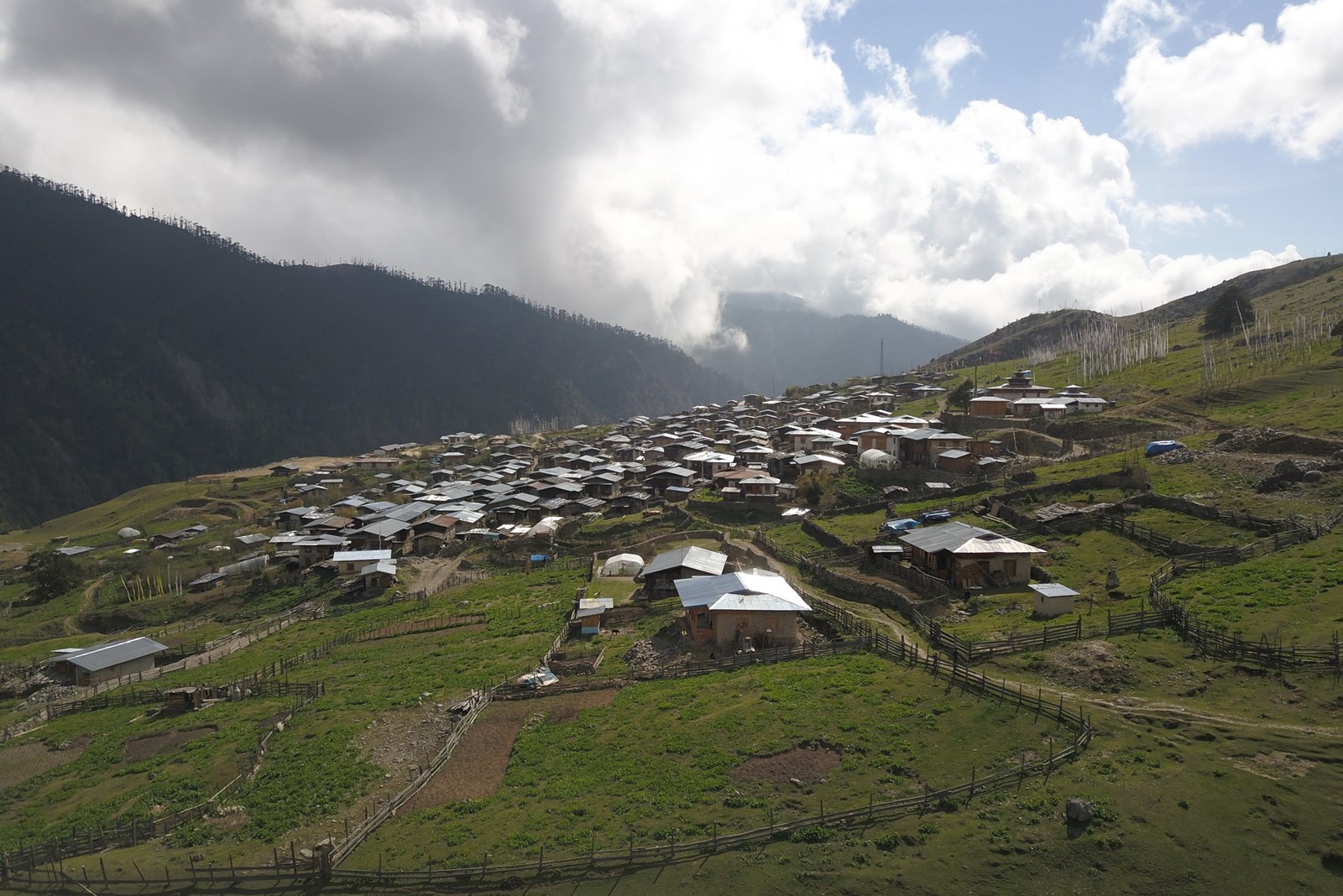
When most travelers visit Bhutan, they usually stay within the well-known western circuit of Paro, Thimphu, and Punakha. But beyond the popular routes lies another side of the country — quieter, wilder, and far less visited.
Eastern Bhutan is where long mountain roads wind through remote valleys, traditional villages preserve centuries-old customs, and tourism still feels rare. It is a region of weaving communities, hidden monasteries, forested hills, dramatic landscapes, and deeply rooted local culture.
For travelers seeking authenticity and slower travel experiences, Eastern Bhutan offers a version of the kingdom that many visitors never see.
This guide covers everything you need to know about exploring Eastern Bhutan, including destinations, travel tips, culture, transportation, and the best places to visit.
Where Is Eastern Bhutan?
Eastern Bhutan refers to the regions east of central Bhutan, including districts such as:
- Mongar
- Trashigang
- Lhuentse
- Trashiyangtse
- Pemagatshel
- Samdrup Jongkhar
Compared to western Bhutan, the eastern region is:
- More remote
- Less developed for tourism
- More culturally traditional
- Less crowded
- Rich in textile and artisan traditions
The landscapes range from subtropical valleys to high mountain passes and alpine forests.
Why Visit Eastern Bhutan?
Eastern Bhutan appeals to travelers looking for experiences beyond the standard Bhutan itinerary.
Reasons to visit include:
- Authentic village culture
- Very few tourists
- Traditional weaving communities
- Scenic mountain roads
- Historic monasteries
- Rural Himalayan landscapes
- Unique regional cuisine
- Slow travel experiences
Unlike western Bhutan, tourism infrastructure is more limited, but that is also part of the region’s charm.
What Makes Eastern Bhutan Different?
Eastern Bhutan feels noticeably different from the country’s western regions.
Fewer Tourists
Many travelers never venture east due to the longer travel times. As a result, villages and cultural sites often feel more untouched and less commercialized.
In some areas, visitors may go hours without seeing another tourist.
Stronger Village Traditions
Traditional lifestyles remain deeply connected to farming, weaving, and local customs.
Daily life in eastern Bhutan still revolves around:
- Agriculture
- Family-run farms
- Local markets
- Religious festivals
- Handcrafted textiles
Village architecture also tends to feel older and more rustic compared to urban areas in western Bhutan.
Distinct Weaving Culture
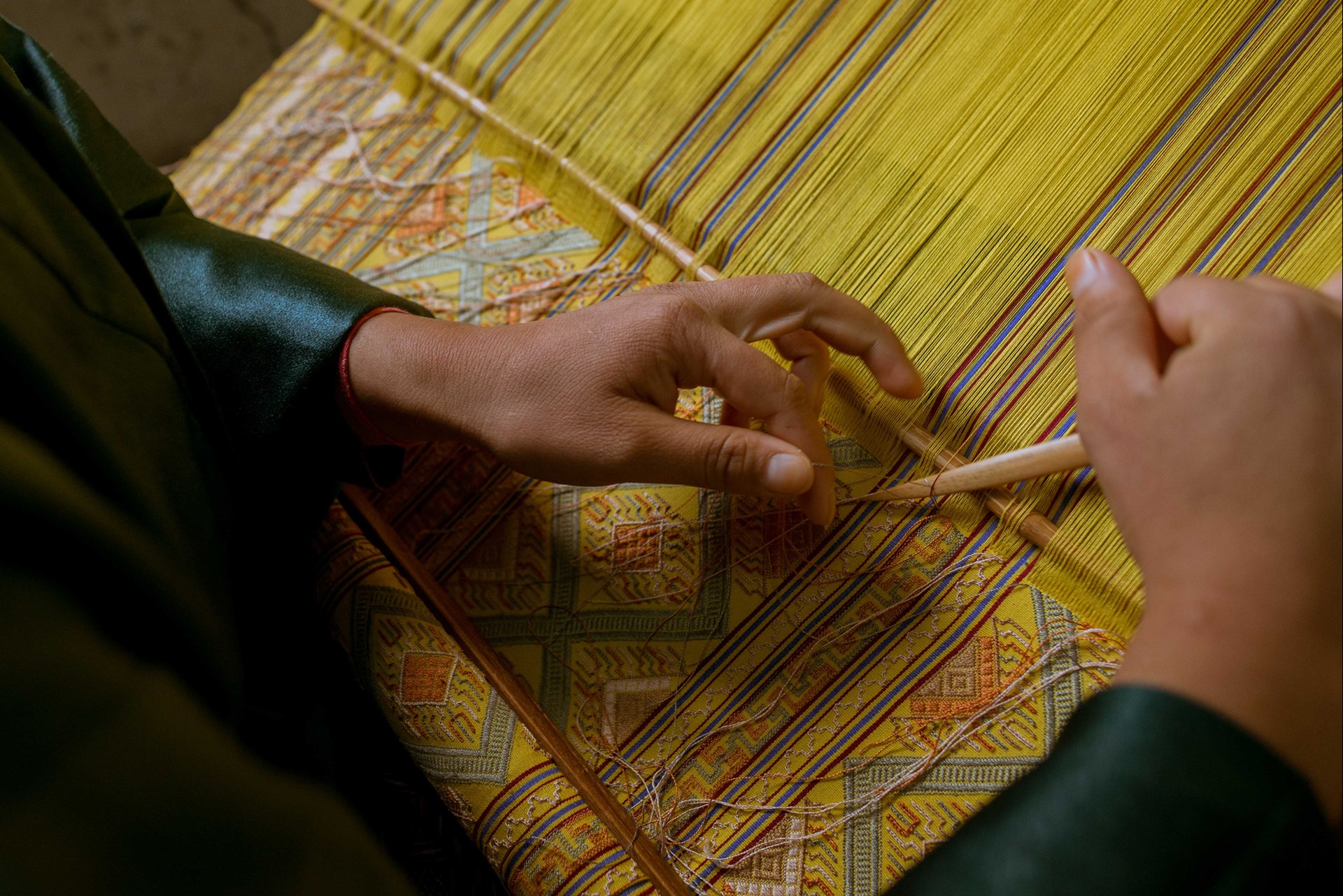
Eastern Bhutan is especially famous for its textiles and weaving traditions.
The region produces:
- Kishuthara textiles
- Handwoven silk fabrics
- Traditional Bhutanese patterns
- Intricate ceremonial clothing
Weaving is not only an art form here but also an important part of local identity and family tradition.
Best Places to Visit in Eastern Bhutan
Mongar
Mongar is often considered the gateway to eastern Bhutan.
Built into steep hillsides, the town is known for:
- Scenic mountain views
- Traditional Bhutanese architecture
- Local markets
- Access to eastern valleys
The drive to Mongar itself is one of Bhutan’s most dramatic road journeys.
Trashigang
Trashigang is eastern Bhutan’s largest town and an important cultural center.
Visitors come for:
- Mountain scenery
- Local festivals
- Traditional villages
- Trekking opportunities
The town also serves as a base for exploring nearby regions.
Despite being the east’s main urban center, Trashigang remains relatively quiet compared to Thimphu.
Lhuentse
Lhuentse is one of Bhutan’s most culturally significant districts.
It is widely associated with:
- Bhutan’s royal family origins
- Traditional weaving
- Remote mountain landscapes
- Historic monasteries
The region’s isolation has helped preserve traditional customs and craftsmanship.
Lhuentse is also famous for producing some of Bhutan’s finest textiles.
Trashiyangtse
Trashiyangtse is known for:
- Woodcraft traditions
- Scenic valleys
- Peaceful rural atmosphere
- Chorten Kora, one of eastern Bhutan’s most important stupas
The district feels calm and deeply traditional, making it ideal for slow travel.
Bumdeling Wildlife Sanctuary
Nature lovers visiting eastern Bhutan should consider Bumdeling Wildlife Sanctuary.
The sanctuary protects:
- Himalayan ecosystems
- Black-necked cranes during migration season
- Forest wildlife
- Remote mountain habitats
Birdwatching opportunities here are excellent.
Samdrup Jongkhar
Located near the Indian border, Samdrup Jongkhar is one of Bhutan’s southern entry points.
The climate here is warmer and more subtropical than much of Bhutan.
While many travelers pass through quickly, the area offers a different perspective on the country’s geography and cultural diversity.
Things to Do in Eastern Bhutan
Drive Through Scenic Mountain Roads
Road travel is a major part of the eastern Bhutan experience.
Journeys often include:
- Deep valleys
- High mountain passes
- Forested hills
- Waterfalls
- Remote villages
- Himalayan viewpoints
Travel times can be long, but the scenery is often spectacular.
Stay in Traditional Villages
Homestays and local guesthouses offer opportunities to experience everyday life more closely.
Visitors may experience:
- Bhutanese home cooking
- Traditional farming
- Village hospitality
- Hot stone baths
- Local storytelling
These stays are often highlights of traveling in eastern Bhutan.
Experience Local Festivals
Eastern Bhutan hosts many traditional tsechus and local festivals that receive far fewer international visitors than festivals in western Bhutan.
Expect:
- Mask dances
- Religious ceremonies
- Traditional music
- Community celebrations
- Regional customs
The atmosphere tends to feel more intimate and community-centered.
Explore Bhutanese Textile Traditions
Eastern Bhutan is one of the best places in the country to learn about traditional weaving.
Visitors can:
- Watch artisans weave by hand
- Visit weaving centers
- Purchase locally made textiles
- Learn about regional patterns and techniques
Handwoven fabrics are among Bhutan’s most respected cultural products.
Go Hiking and Nature Walking
While eastern Bhutan is less known for trekking than some western regions, there are still many opportunities for:
- Village hikes
- Forest walks
- Mountain trails
- Wildlife observation
The landscapes are often quieter and less developed than better-known trekking routes.
Best Time to Visit Eastern Bhutan
Spring (March to May)
Spring offers:
- Blooming rhododendrons
- Pleasant temperatures
- Green mountain landscapes
This is one of the best seasons for sightseeing and hiking.
Autumn (September to November)
Autumn provides:
- Clear skies
- Excellent visibility
- Comfortable weather
- Festival season
This is generally considered the ideal time to travel across Bhutan.
Winter (December to February)
Winter can be cold in higher elevations, but lower valleys remain accessible.
Travel is often quieter with fewer tourists.
Monsoon Season (June to August)
Heavy rain can affect road conditions and visibility in some regions.
Landslides occasionally occur on mountain roads during peak monsoon periods.
How to Travel Around Eastern Bhutan
Travel in eastern Bhutan mainly happens by road.
Important things to know:
- Roads are winding and mountainous
- Travel times are longer than distances suggest
- Domestic flights are limited
- Many travelers combine eastern Bhutan with central Bhutan itineraries
Because journeys can be slow, travelers should allow extra time and avoid rushing.
How Many Days Do You Need for Eastern Bhutan?
Eastern Bhutan is best explored slowly.
Recommended minimums:
- 5–7 days for a shorter eastern itinerary
- 14 days for deeper exploration
Travelers combining western, central, and eastern Bhutan often spend two weeks or more in the country.
Popular Eastern Bhutan Tour
Is Eastern Bhutan Worth Visiting?
Absolutely.
For travelers seeking a quieter, more authentic side of Bhutan, eastern Bhutan offers experiences that feel increasingly rare in modern travel. The region rewards patience, curiosity, and slower exploration.
Rather than major tourist attractions alone, eastern Bhutan is about atmosphere, culture, landscapes, and human connection.
It is the side of Bhutan that many travelers remember most deeply long after the trip ends.
FAQs About Eastern Bhutan
What is Eastern Bhutan known for?
Eastern Bhutan is known for traditional village culture, weaving traditions, scenic mountain landscapes, remote travel experiences, and fewer tourists.
Is Eastern Bhutan less touristy?
Yes. Eastern Bhutan receives significantly fewer visitors than western Bhutan, making it quieter and more traditional in many areas.
How do you get to Eastern Bhutan?
Most travelers reach eastern Bhutan by road from central or western Bhutan. Long-distance mountain drives are a major part of the journey.
How many days should I spend in Eastern Bhutan?
At least 5 to 7 days is recommended, though travelers wanting a deeper experience may spend 10 days or more exploring the region.
What is the best time to visit Eastern Bhutan?
Spring (March to May) and autumn (September to November) are generally the best seasons due to pleasant weather and clearer mountain views.
Is Eastern Bhutan good for cultural travel?
Yes. Eastern Bhutan is one of the country’s best regions for experiencing traditional Bhutanese culture, village life, weaving, and local festivals.
What are the main towns in Eastern Bhutan?
Major towns include Mongar, Trashigang, Lhuentse, Trashiyangtse, and Samdrup Jongkhar.
Can you do trekking in Eastern Bhutan?
Yes. Eastern Bhutan offers hiking and trekking opportunities through forests, villages, and mountain landscapes, though routes are generally less commercialized than in western Bhutan.
What textiles is Eastern Bhutan famous for?
The region is known for Kishuthara weaving, handwoven silk fabrics, and traditional Bhutanese textile craftsmanship.
Is Eastern Bhutan suitable for first-time visitors?
Yes, though it is best suited for travelers comfortable with long road journeys and slower-paced travel experiences.



Follow Druk Asia on social media for inspiring travel stories, breathtaking photos, and the latest updates from Bhutan.
Ready to Experience the Magic of Bhutan?
Fill in the form below and the friendly Bhutan Travel Specialist team will get back to you with expert advice, itinerary ideas, and everything you need to know. No obligations, just warm guidance from those who know Bhutan best.
Thank you for your message!
Hang tight—one of our friendly Bhutan Travel Specialists from Druk Asia will be reaching out soon with expert tips, insider advice, and exciting itinerary ideas to help you plan the adventure of a lifetime!
Discover
Breathtaking
Bhutan.
Thank you for subscribing!
You have successfully subscribed to our newsletter.
