BHUTAN
Travelog
19
Jun, 2026
Mobile Payments in Bhutan: QR Code System & Cashless Travel Guide
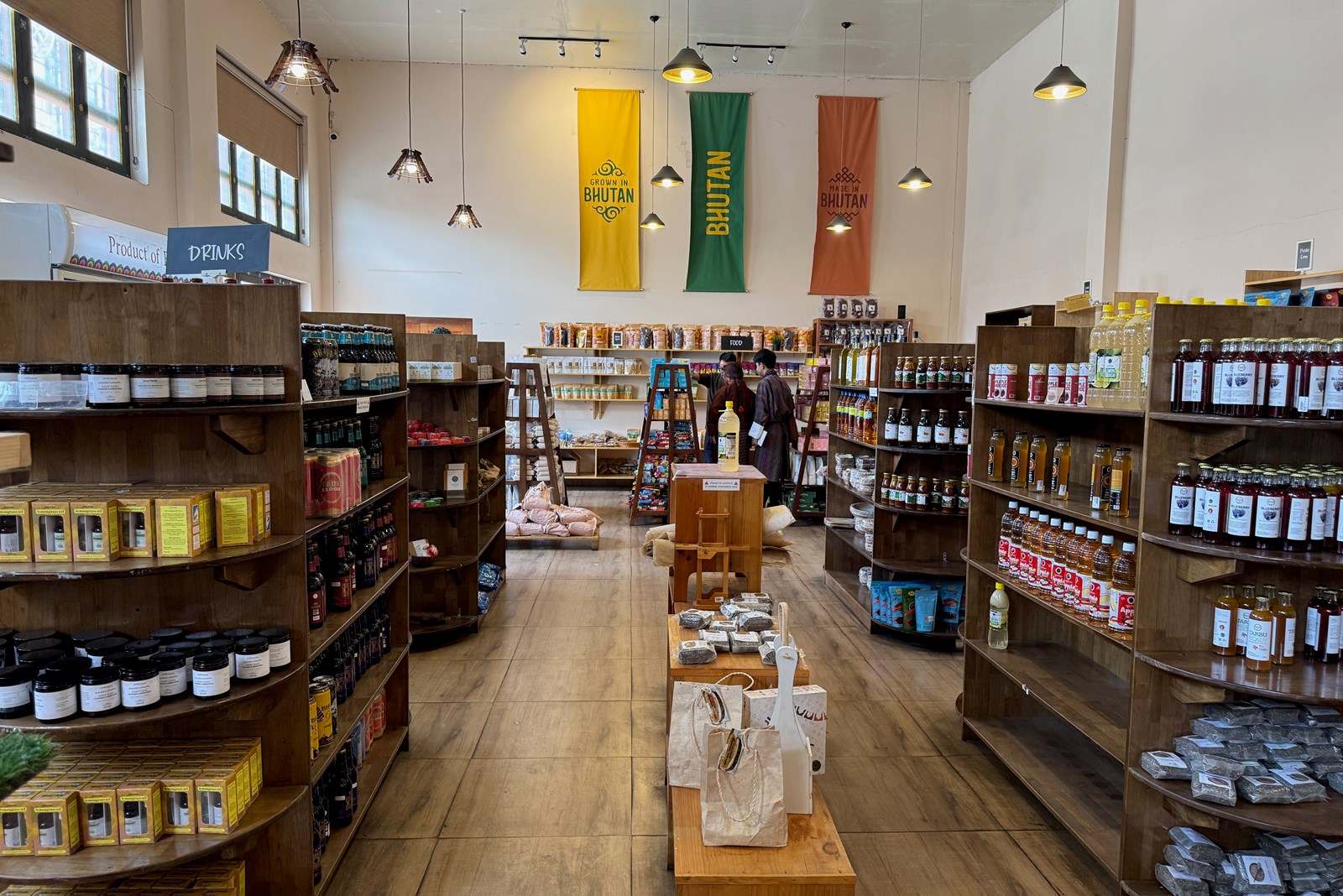
Bhutan has rapidly modernised its financial system in recent years, with mobile payments and QR code transactions becoming a common part of daily life. Across cities such as Thimphu, Paro, and Phuentsholing, many shops, restaurants, cafés, hotels, and local businesses now accept digital payments through Bhutan's national QR payment network.
The country's digital payment ecosystem is built around the Bhutan QR system, which allows customers to make quick and secure payments using mobile banking apps linked to Bhutanese banks.
However, while mobile payments are widely used by locals, international visitors should understand that access to Bhutan's digital payment systems remains limited. At present, mobile payments are most convenient for Bhutanese residents and visitors from India who can use UPI-enabled payment apps.
How Digital Payments Work in Bhutan
Bhutan's digital payment infrastructure is centred around:
-
Mobile banking applications
-
Bhutan QR code payments
-
Bank-linked digital wallets
-
Instant bank transfers
Rather than using standalone digital wallets, most Bhutanese users make payments directly through their bank's mobile banking app.
Popular mobile payment apps include:
-
mBoB (Bank of Bhutan)
-
MyPay (Bhutan National Bank)
-
T-Bank Mobile Banking
-
Druk PNB Mobile Banking
-
Other bank-issued mobile banking applications
These apps allow users to:
-
Scan QR codes
-
Transfer money instantly
-
Pay utility bills
-
Manage bank accounts
-
Make merchant payments
Are Mobile Payments Widely Used in Bhutan?
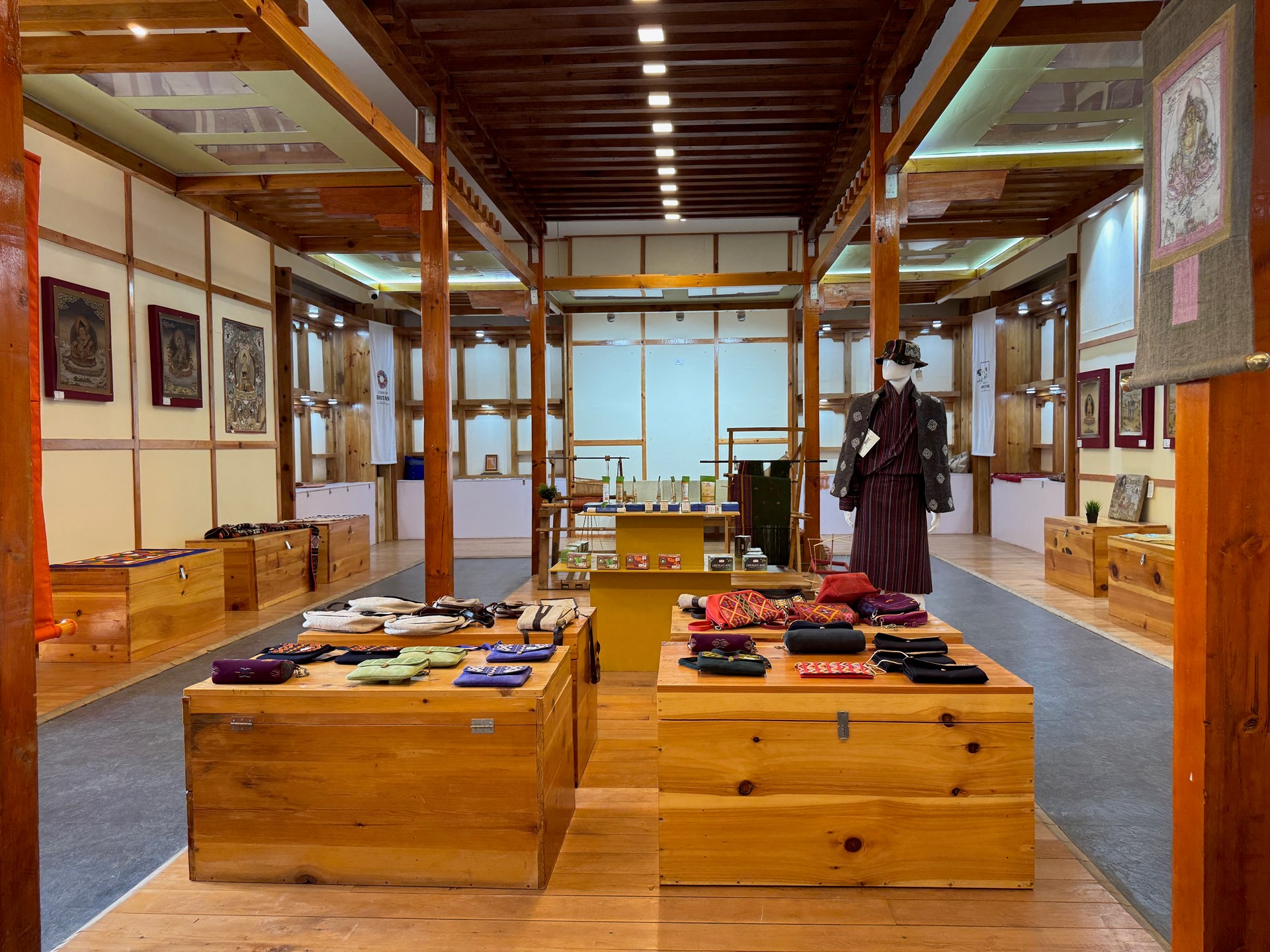
Yes. Mobile payments are now widely used throughout Bhutan's urban centres.
You will commonly find QR code payments accepted at:
-
Restaurants and cafés
-
Grocery stores and supermarkets
-
Pharmacies
-
Retail shops
-
Fuel stations
-
Hotels
-
Tour operators
-
Local service providers
In cities such as Thimphu and Paro, QR payments have become part of everyday commerce and are often preferred by local customers.
However, cash remains important in:
-
Remote villages
-
Rural markets
-
Trekking regions
-
Small roadside vendors
-
Areas with limited internet connectivity
For travellers, it is best to view Bhutan as a country that combines both digital and cash-based payment systems.
Bhutan QR: The Backbone of Digital Payments
Bhutan QR is the country's interoperable national QR payment network.
Instead of requiring separate QR systems for different banks, Bhutan QR enables customers from participating banks to make payments using a single standardised system.
Using Bhutan QR is simple:
-
The merchant displays a QR code.
-
The customer scans the code using a supported banking app.
-
The payment amount is entered or automatically generated.
-
The transaction is completed instantly.
Today, Bhutan QR is accepted by thousands of merchants across the country and continues to expand.
Can Tourists Use Mobile Payments in Bhutan?
The answer depends largely on where you are visiting from.
Indian Visitors
Indian tourists can often use mobile payments in Bhutan through the UPI network.
Many Bhutan QR merchants accept payments from supported Indian UPI apps, including:
-
Google Pay
-
PhonePe
-
Paytm
-
BHIM
This makes Bhutan one of the few international destinations where Indian travellers can frequently make cashless payments using the same apps they use at home.
However, travellers should still carry cash because not every merchant accepts digital payments and network connectivity can occasionally affect transactions.
International Visitors from Other Countries
For most international visitors outside India, mobile payments are generally not accessible.
Most Bhutanese payment apps require:
-
A Bhutanese bank account
-
A local banking relationship
-
Access to Bhutan's domestic banking network
As a result:
-
Apple Pay is generally not supported.
-
Google Pay from non-Indian accounts is generally not supported.
-
Foreign banking apps typically cannot scan Bhutan QR codes.
-
International mobile wallets have limited compatibility.
Most non-Indian visitors should expect to rely on:
-
Cash (Bhutanese Ngultrum)
-
Credit cards
-
Debit cards
rather than mobile payment apps.
Cash vs Mobile Payments in Bhutan
Mobile Payments Are Useful For
-
Hotels
-
Restaurants
-
Cafés
-
Urban retail stores
-
Supermarkets
-
Tour operators
-
Many businesses displaying Bhutan QR codes
Cash Is Best For
-
Local markets
-
Rural villages
-
Trekking routes
-
Small shops
-
Taxis
-
Remote areas
Carrying a combination of cash and cards remains the most practical option for most travellers.
Where Mobile Payments Are Most Common for Locals
Thimphu
As Bhutan's capital and largest city, Thimphu has the country's most developed digital payment ecosystem.
You will find:
-
Extensive QR code acceptance
-
Mobile payments in cafés and restaurants
-
Digital transactions in retail stores
-
Widespread use among local residents
Paro
Paro also has strong digital payment adoption, particularly in areas frequented by tourists.
Expect:
-
QR payments in many hotels
-
Digital payment acceptance in restaurants
-
Growing adoption among local businesses
Punakha and Other Regions
Digital payments are becoming more common, but cash remains more important outside the main urban centres.
In smaller towns and villages, travellers should always carry sufficient cash.
Advantages of Mobile Payments
Bhutan's growing digital payment ecosystem offers several benefits:
-
Fast and convenient transactions
-
Reduced need to carry cash
-
Secure electronic records
-
Easy transfers between accounts
-
Improved payment efficiency for businesses
Limitations for Travellers
Despite rapid growth, some limitations remain:
-
Most international visitors cannot access Bhutan's QR payment systems.
-
Mobile payments are primarily designed for Bhutanese residents.
-
UPI compatibility mainly benefits Indian travellers.
-
Rural areas may have limited connectivity.
-
Some businesses still operate on a cash-only basis.
-
Credit card acceptance remains inconsistent outside larger establishments.
The Future of Digital Payments in Bhutan
Bhutan continues to invest in digital financial services as part of its broader modernisation efforts.
Future developments may include:
-
Expanded QR payment coverage
-
Enhanced banking applications
-
Greater tourism-sector integration
-
Improved interoperability with international payment networks
While Bhutan is not yet a fully cashless society, digital payments are becoming an increasingly important part of everyday life.
Tips for Travellers
-
Carry sufficient Bhutanese Ngultrum (BTN) for daily expenses.
-
Do not rely solely on mobile payments.
-
Bring a credit or debit card as a backup.
-
Ask hotels and businesses about payment options in advance.
-
Keep small cash denominations for taxis, markets, and rural purchases.
-
Indian visitors can often benefit from UPI-enabled payment apps, but should still carry cash.
Frequently Asked Questions
Can tourists use QR code payments in Bhutan?
Indian visitors can often use UPI-enabled apps at participating Bhutan QR merchants. Most other international visitors cannot access Bhutan's QR payment system.
Are mobile payments common in Bhutan?
Yes. Mobile payments are widely used in urban areas such as Thimphu and Paro and are becoming increasingly common throughout the country.
Can I use Google Pay in Bhutan?
Indian Google Pay users may be able to make payments through UPI-enabled Bhutan QR merchants. Google Pay accounts from most other countries are generally not supported.
Is Apple Pay available in Bhutan?
Apple Pay is not widely accepted in Bhutan and should not be relied upon as a primary payment method.
What is the most widely accepted payment method in Bhutan?
Cash remains the most universally accepted payment method across Bhutan, particularly outside major towns and cities.
Is Bhutan becoming a cashless society?
Bhutan is steadily expanding digital payments and QR transactions, but cash continues to play an important role in everyday commerce, especially in rural areas.



Follow Druk Asia on social media for inspiring travel stories, breathtaking photos, and the latest updates from Bhutan.
Ready to Experience the Magic of Bhutan?
Fill in the form below and the friendly Bhutan Travel Specialist team will get back to you with expert advice, itinerary ideas, and everything you need to know. No obligations, just warm guidance from those who know Bhutan best.
Thank you for your message!
Hang tight—one of our friendly Bhutan Travel Specialists from Druk Asia will be reaching out soon with expert tips, insider advice, and exciting itinerary ideas to help you plan the adventure of a lifetime!
Discover
Breathtaking
Bhutan.
Thank you for subscribing!
You have successfully subscribed to our newsletter.
