You crest a misty Bhutanese ridge, lungs burning, as snow-capped peaks pierce the sky and prayer flags snap in the wind. Why chase that high at the wrong time? Bhutan’s mountain climate can shift quickly, from spring rhododendron blooms to rain-soaked or snow-affected trails, depending on altitude and season. Discover the top pick, autumn — especially October to November — plus spring’s wildflower magic, seasonal weather quirks, wildlife highlights, and permit essentials that keep your trek epic, not an epic fail. Ready to pick your season?
Bhutan’s Climate Overview
Bhutan’s Himalayan climate has four distinct seasons, shaped by dramatic elevation changes from the subtropical south to the high Himalayas in the north. In lower valleys such as Paro, spring and autumn are generally mild and pleasant, while higher trekking areas and mountain passes can stay cold year-round, with snowfall common at altitude in winter and sometimes even into the shoulder seasons.
The monsoon usually arrives from late June or July through late September, bringing the heaviest rainfall, especially in southern and lower-altitude areas. Because of this, spring and autumn are generally the most popular trekking windows, with clearer skies and better mountain visibility.
Elevation plays a big role in choosing the best trekking time in Bhutan. Lower valleys are warmer and more forgiving, while high passes on routes such as the Snowman Trek or Jomolhari region are far more weather-sensitive and demand a stable window, proper layering, and good acclimatisation. Trekkers should expect major temperature differences between valleys, camps, and passes on the same journey.
Trekking Seasons Defined
Bhutan’s trekking calendar is usually understood through four seasons.
Spring, from March to May, brings blooming landscapes and generally pleasant trekking weather. Summer, from June to August, overlaps with the monsoon and can mean wet, slippery trails and reduced visibility. Autumn, from September to November, is widely regarded as one of the best times for trekking thanks to bright skies and stable conditions. Winter, from late November through February, can be crisp and beautiful, but snow and cold temperatures limit access to higher routes.
Plan around these seasonal patterns based on your route, fitness, and priorities. Autumn is especially strong for high mountain views and photography, while spring is ideal if you want flowers and fewer crowds on some trails. Always check recent local weather before committing to high passes.
Pre-Monsoon (March–May)
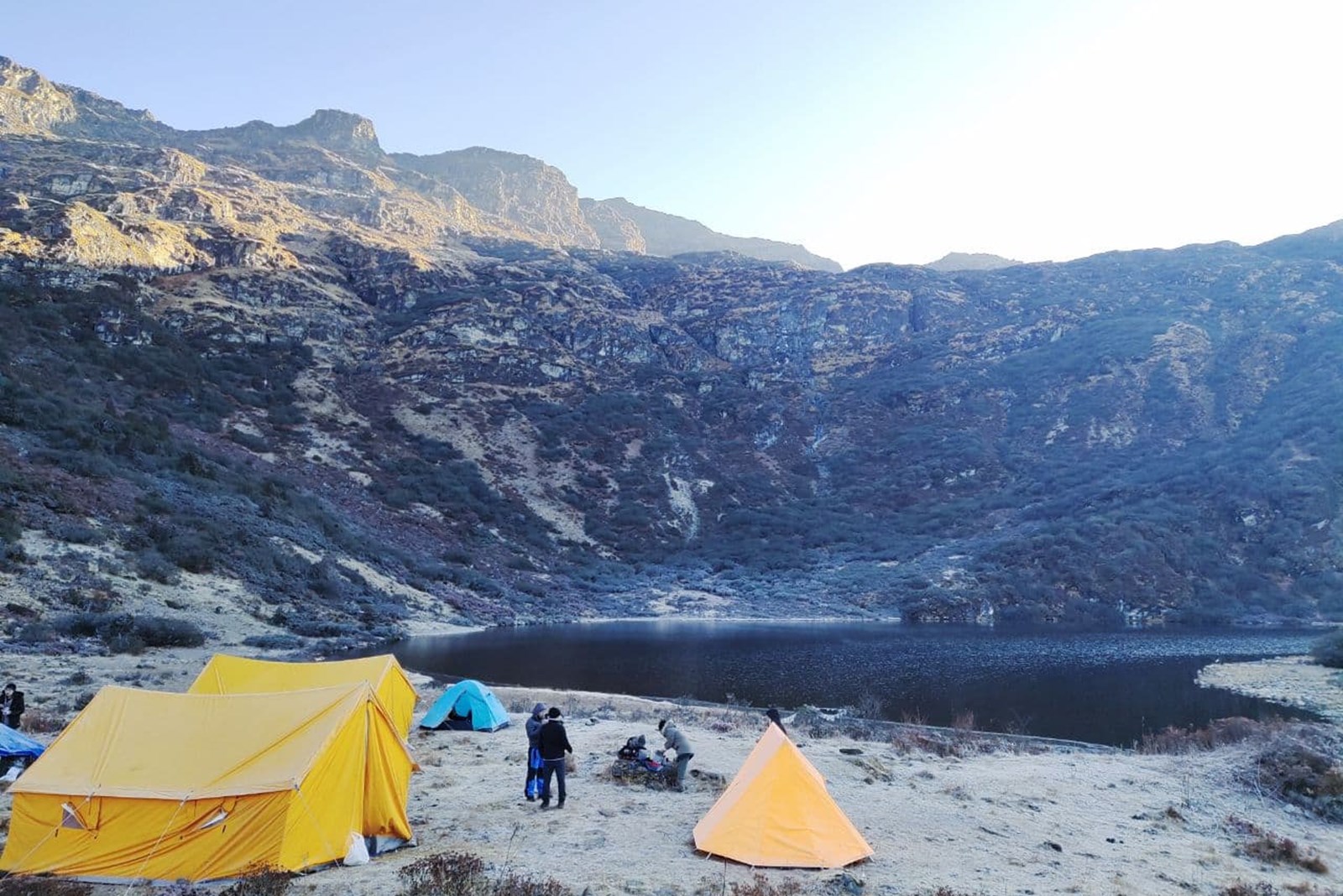
March to May is one of Bhutan’s best trekking seasons. Days are usually mild, landscapes begin to bloom, and rhododendrons and other wildflowers bring colour to many routes. Spring is particularly appealing for trekkers who want good walking conditions with a softer, greener landscape than autumn.
Mornings are often clear, though occasional showers become more common later in the season. This is a strong time for routes such as the Druk Path Trek and many valley and mid-altitude hikes. Early spring can still bring lingering snow on higher ground, so conditions on remote high-altitude routes need closer checking.
Pack layers for cool mornings and evenings, plus waterproofs for occasional rain.
Monsoon (June–September)
June to September is the wettest period in Bhutan, with the monsoon usually affecting the country from late June or July until late September. Trails can become muddy and slippery, visibility often drops, and high passes may be less suitable for trekking. In lower-altitude areas, leeches and wet ground can also become part of the experience.
That said, summer trekking is not impossible. Bhutan’s landscapes turn intensely green, rivers and waterfalls are full, and some travellers enjoy the quieter, more atmospheric side of the season. Lower-altitude hikes and cultural journeys are generally better choices than long high-altitude treks during this period. Waterproof gear and flexible planning are essential.
Post-Monsoon (October–November)
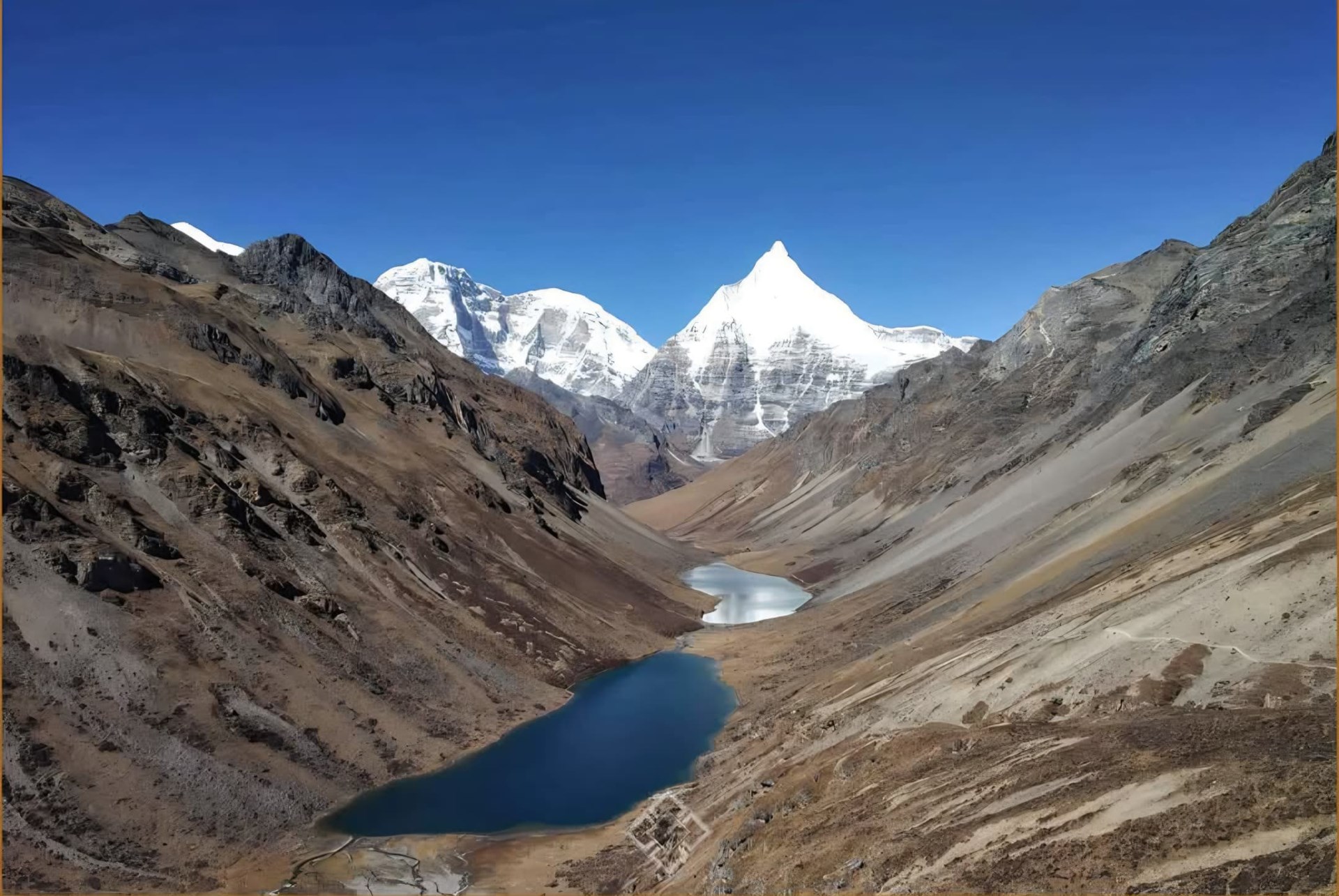
October to November is Bhutan’s golden trekking window. After the rains, skies are often bright and clear, temperatures are comfortable in many trekking areas, and mountain views are usually at their sharpest. This is why autumn is commonly considered the best overall season for trekking in Bhutan.
It is an excellent time for classic routes such as Druk Path, Jomolhari, Laya-Gasa, and other major treks, depending on route length and altitude. The air is crisp, trails are generally drier than in summer, and the post-monsoon landscape still feels fresh and vibrant.
Autumn also overlaps with some of Bhutan’s best-known festival periods, adding a cultural dimension if your trek connects with towns such as Paro or Thimphu.
Winter (December–February)
Winter in Bhutan can be stunning, with crisp air and excellent mountain visibility, especially on clear days. Lower-altitude valleys and cultural hikes can still work very well, but snow and freezing temperatures make many high treks more difficult or inaccessible. Above roughly 3,000 metres, frost and snowfall become common.
Winter suits travellers looking for quieter trails, peaceful cultural experiences, and sharp Himalayan views without peak-season crowds. However, for high passes and remote multi-day routes, winter is generally more limiting than spring or autumn. Warm layers, cold-weather gear, and route flexibility are essential.
Best Season: Autumn (October–November)
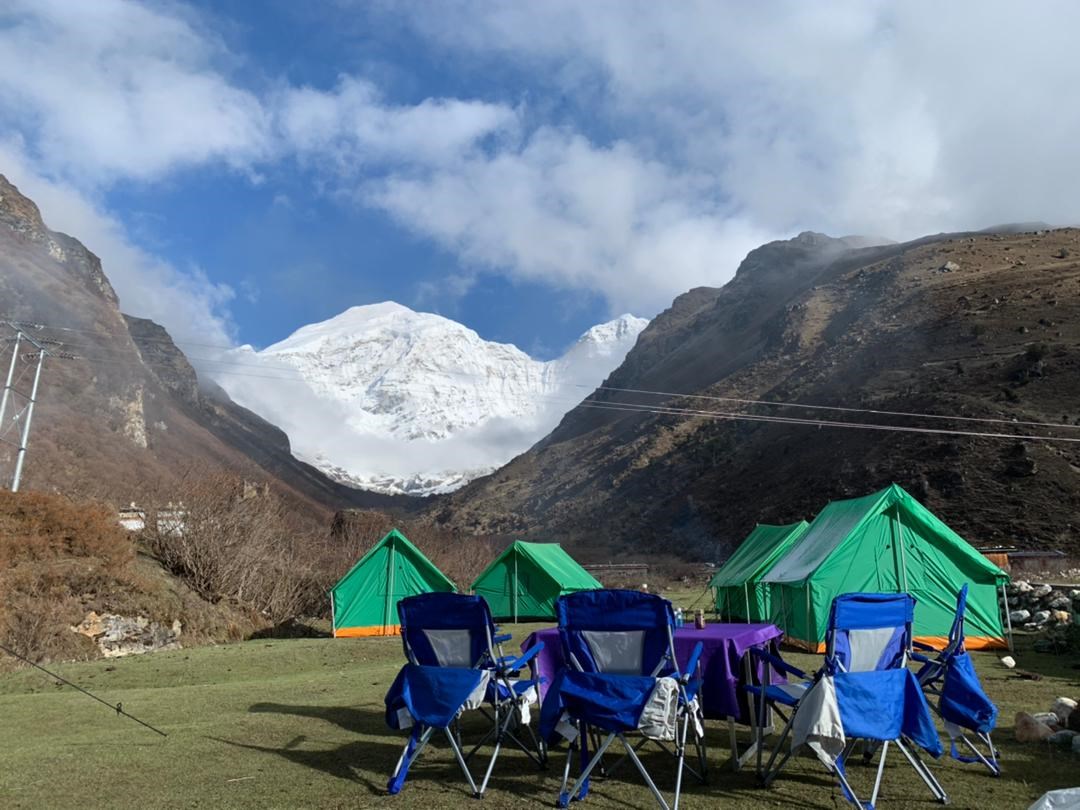
Autumn remains the strongest overall pick for trekking in Bhutan. It combines relatively stable weather, excellent visibility, and comfortable daytime conditions across many of the country’s best-known trekking routes.
If your priority is clear mountain scenery, better odds of dry trails, and classic Himalayan trekking conditions, this is the season to beat. Autumn is also more consistent than spring, which can occasionally see showers later in the season. From late September through November, trekkers usually enjoy some of the clearest skies of the year.
Short Hikes in Bhutan
If you are not planning a multi-day trek, Bhutan also offers many rewarding day hikes, from the iconic climb to Tiger’s Nest Monastery to scenic forest walks near Paro, Thimphu, and Punakha, where you can experience the Himalayas without committing to a full trekking expedition.
Top Autumn Treks
These are among the most rewarding treks during autumn in Bhutan:
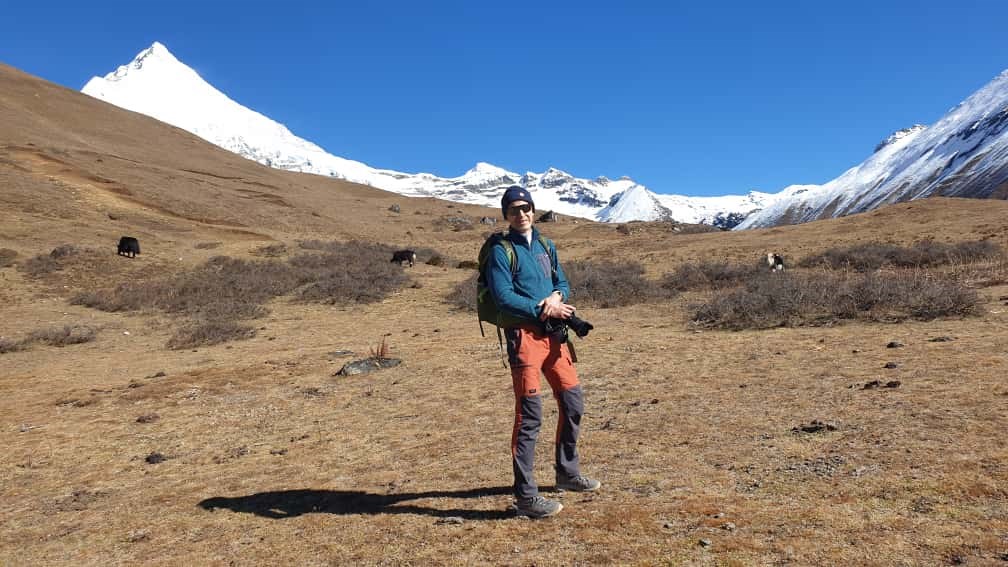
Jomolhari Trek – One of Bhutan’s most iconic treks, leading to the base of Mount Jomolhari through high valleys, yak pastures, and remote camps.
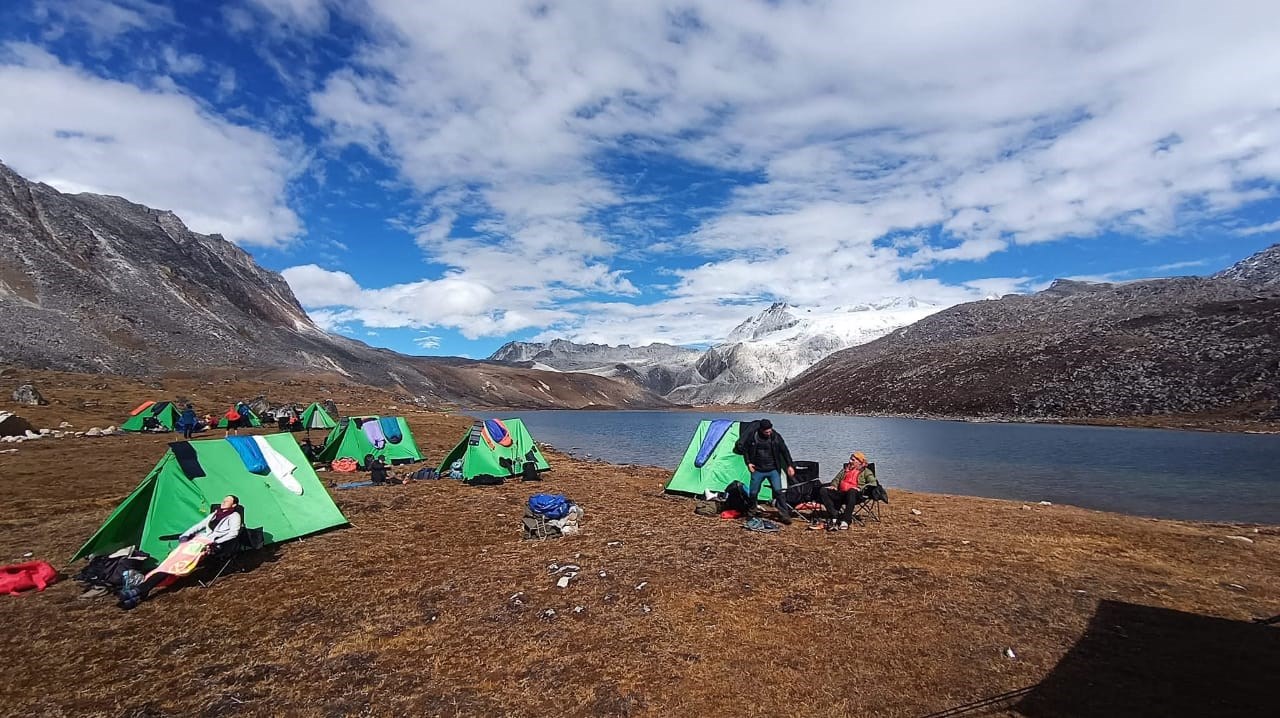
Druk Path Trek – A classic shorter trek linking Paro and Thimphu, crossing high ridges, alpine lakes, and forests.
Laya-Gasa Trek – Combines dramatic mountain landscapes with cultural encounters in remote villages such as Laya.
Snowman Trek – One of the world’s most challenging high-altitude treks, best attempted by experienced trekkers during stable autumn weather.
Autumn vs Spring
Autumn usually wins for mountain visibility and stable weather, while spring shines for flowers and greener landscapes.
| Metric |
Autumn (Oct–Nov) |
Spring (Mar–May) |
| Visibility |
Excellent |
Good but sometimes cloudier |
| Trail conditions |
Generally dry |
Occasionally muddy |
| Scenery |
Clear mountain views |
Rhododendrons and wildflowers |
| Crowds |
Peak season |
Slightly quieter |
If mountain views are your priority, autumn is usually the better choice. If you prefer flowers and softer landscapes, spring is equally rewarding.
Secondary Option: Spring (March–May)
Spring is another excellent time to trek in Bhutan. Rhododendrons bloom across many mountain slopes, forests feel vibrant, and trekking conditions remain comfortable in most regions.
Popular spring trekking routes include the Druk Path Trek, Bumthang cultural hikes, and selected sections of the Trans Bhutan Trail. Late March through May generally offers the best conditions, though snow can linger earlier in the season on high passes.
Weather and Trail Conditions
Bhutan’s trekking conditions can change rapidly because of altitude differences. A valley may feel warm and dry, while a high pass on the same trek could be windy, icy, or snow-covered.
In autumn, post-monsoon clarity provides the best chance of sweeping Himalayan views. In spring, trails are colourful and alive with flowers but may experience occasional showers. In both seasons, high routes require preparation, layering, and flexibility.
Wildlife and Flora Highlights
Spring is the best season for wildflowers, particularly rhododendrons, which bloom across Bhutan’s forests. Autumn and winter offer excellent opportunities for birdwatching.
One of Bhutan’s most famous wildlife sightings is the black-necked crane, which typically arrives in Bhutan around mid-November and remains until late February, especially in Phobjikha Valley.
Practical Considerations
Pack for wide temperature swings, especially when trekking above valley level. Layering is essential. Waterproof gear, sturdy boots, trekking poles, and sun protection all help manage Bhutan’s changing mountain conditions.
For longer treks, acclimatisation should be taken seriously. Gradual elevation gain and rest days are important for avoiding altitude sickness.
Trekking Permit Requirements
Bhutan’s tourism policy requires visitors to arrange treks through a licensed Bhutanese tour operator. Independent trekking is not permitted.
Visitors must also pay the Sustainable Development Fee (SDF) of US$100 per person per night, along with a US$40 visa application fee.
Your tour operator typically handles all trekking permits, route logistics, guides, and safety arrangements.
Frequently Asked Questions
When is the best season for trekking in Bhutan?
Autumn (September to November) and spring (March to May) are widely considered the best seasons because of clearer skies, mild temperatures, and favourable trail conditions.
Why is autumn considered the best time?
Autumn follows the monsoon season, meaning skies are often clear and mountain views are at their best. Trails are also usually drier and more stable.
Is spring good for trekking in Bhutan?
Yes. Spring brings blooming rhododendrons, vibrant landscapes, and pleasant trekking weather, though occasional showers may occur.
Is winter suitable for trekking?
Winter can work for lower-altitude hikes and cultural journeys, but many high-altitude routes become difficult due to snow and colder temperatures.
Should trekking be avoided during the monsoon?
The monsoon season (June to September) generally brings heavy rain, muddy trails, and reduced visibility. Most trekkers prefer spring or autumn for more reliable conditions.